Wondering which part of Basalt fits the way you actually want to live? That question matters here because Basalt is not one uniform housing market. If you are weighing walkability, housing style, convenience, and overall setting, this guide will help you compare Basalt’s key areas in a practical way and understand what each one tends to offer. Let’s dive in.
Basalt works as three main lifestyle patterns
A helpful way to compare Basalt is to think less about one neighborhood being "best" and more about which lifestyle pattern matches your priorities. Town materials describe the core market as Historic Downtown and Southside in East Basalt, plus Willits in West Basalt. Beyond those core areas, the broader Basalt community extends into smaller residential pockets like Lazy Glen, Holland Hills, Seven Castles, Emma, Sopris Village, El Jebel, Blue Lake, Missouri Heights, Dakota, and Cerise Ranch.
For most buyers, the choice comes down to three broad categories. You are usually choosing between historic-core living, newer mixed-use living, or more residential outlying pockets. That framing fits how the town itself is organized and how daily life tends to work in each area.
Basalt is also close to fully built out, according to the Town of Basalt’s 2024 Housing Needs Assessment. That matters because limited room for expansion can affect supply, pricing, and how often certain property types come to market.
Historic Downtown offers character and walkability
Historic Downtown, sometimes called Old Downtown or the Historic District, is the original township of Basalt. Town history and design guidance tie this area closely to Basalt’s railroad roots, Midland Avenue, the Hill District, and a strong emphasis on preserving historic character.
If you are drawn to older homes, smaller-scale lots, and a more established streetscape, this is usually the part of Basalt that delivers that feel. The town’s preservation approach favors compatible infill rather than large-scale redevelopment, which helps explain why this area tends to feel distinct from newer parts of town.
Daily convenience is a major draw here. The Midland Avenue business district includes restaurants, cafes, retail shops, services, and art spaces, along with historically designated buildings. Nearby parks include Lions Park, Basalt River Park, and Midland Park.
For buyers who value a more car-light routine, Historic Downtown stands out. Basalt’s Safe Routes to School work is designed to improve pedestrian and bicycle connections between historic downtown, schools, Highway 82, and major public transportation stops. That supports the idea of a more connected, on-foot lifestyle.
Who Historic Downtown may suit
Historic Downtown may be worth a closer look if you want:
- Walkability for errands and daily activities
- Older homes with character
- Access to parks, shops, and dining nearby
- A setting shaped by Basalt’s original town core
This area often appeals to buyers who are comfortable making tradeoffs for location and charm. In many markets, character-rich housing comes with less uniformity, and Basalt’s historic core is no exception.
Willits offers newer mixed-use convenience
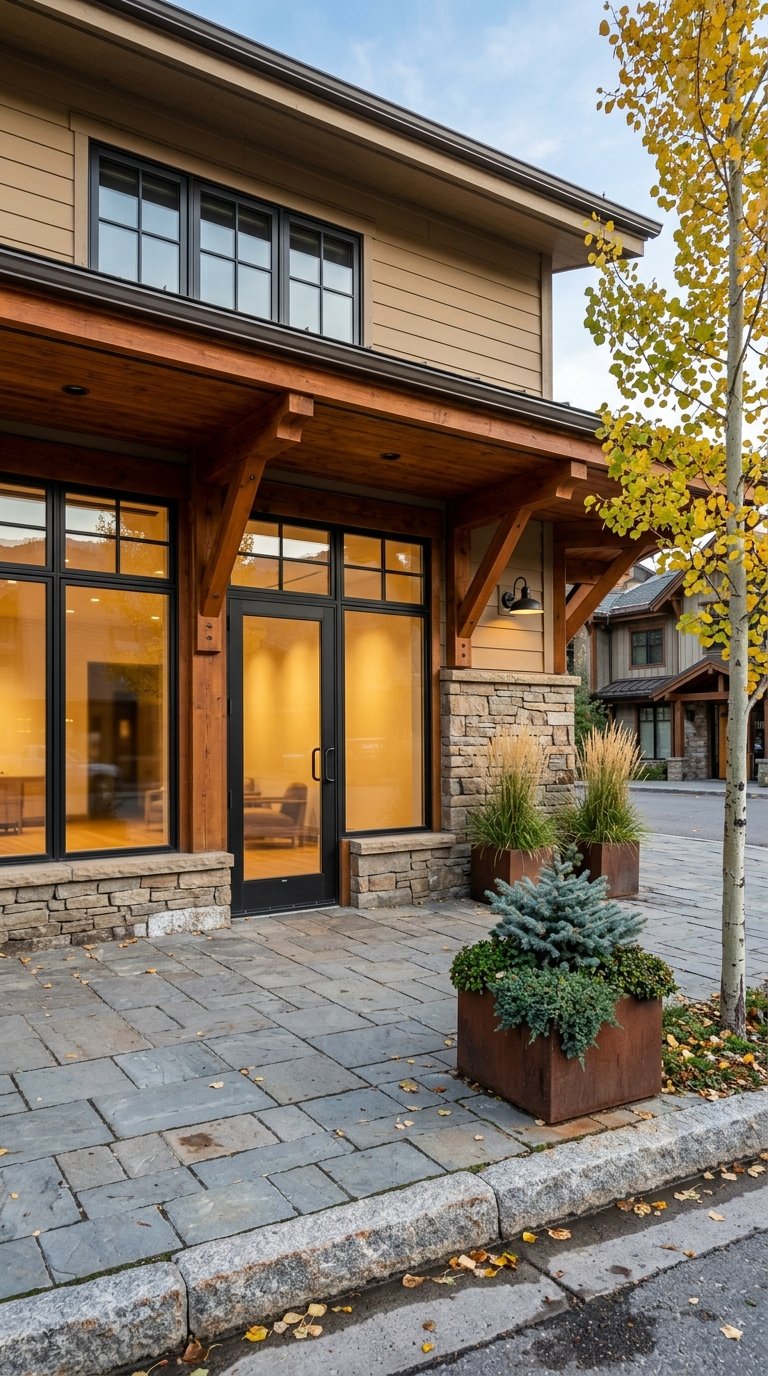
Willits represents the newer, mixed-use side of Basalt. Town planning history says Willits Town Center was approved in 2001 as a 26-acre mixed-use development, and town public-arts planning describes it as the business district of West Basalt.
If your priority is convenience, Willits is often the easiest area to understand. The district includes a grocery anchor, restaurants, retail and service shops, TACAW, residential units, parklets, and community gathering spaces like Triangle Park. The area is described in town materials as highly walkable.
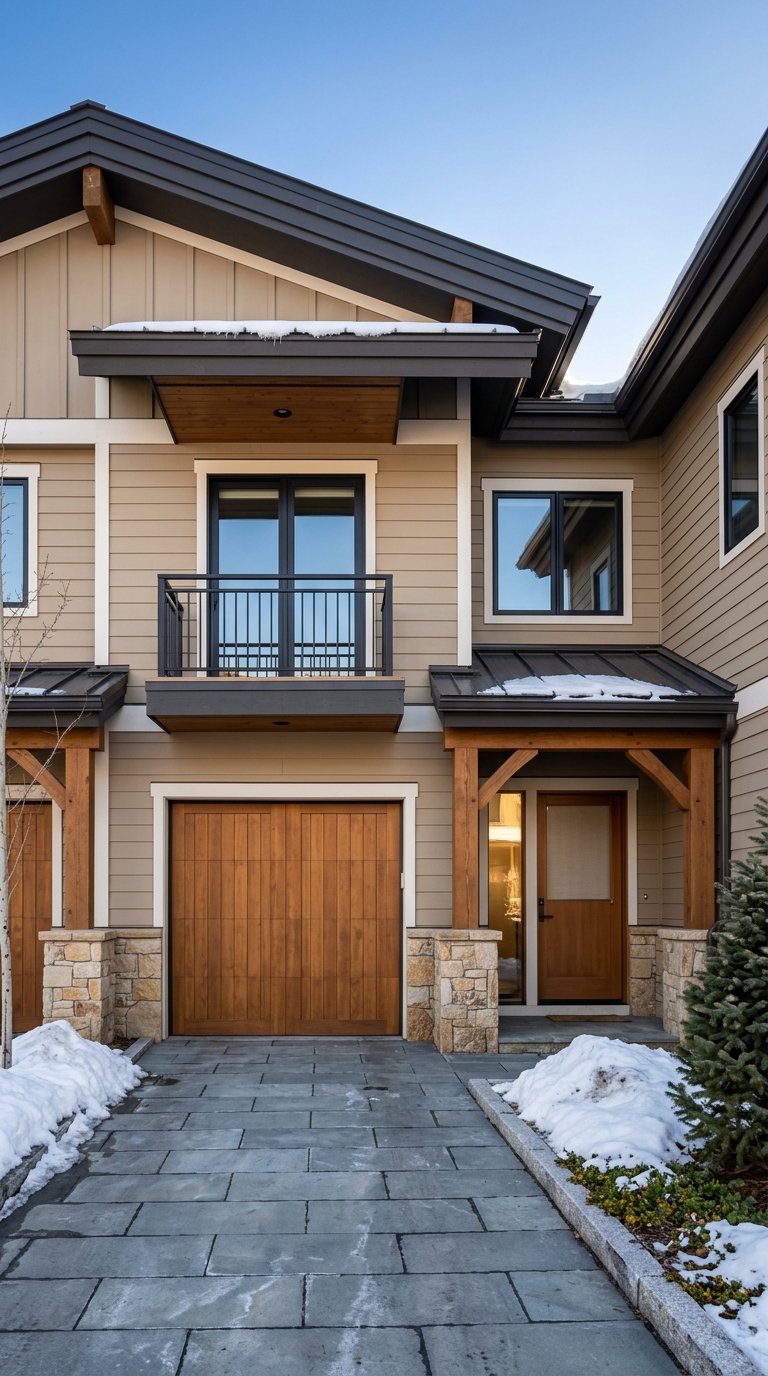
Housing in Willits is generally more likely to include condos, townhomes, and mixed-use residential units than the historic core. That makes it especially relevant if you want lower-maintenance ownership or a newer-built environment rather than an older standalone home.
Transit is another key strength. Willits is served by the RFTA bus rapid transit station along Highway 82, and Basalt Connect provides free on-demand rides to and from downtown Basalt, Willits, and nearby neighborhoods in the service area. For some buyers, that can reduce the need to drive for every local errand.
Who Willits may suit
Willits may be a strong fit if you want:
- Newer construction or more modern layouts
- Condos or townhomes instead of a traditional detached home
- Walkable access to services and everyday needs
- Easier transit connections within Basalt’s service area
For buyers balancing convenience and maintenance, Willits often checks practical boxes quickly. It can be especially useful if you want a home base that feels connected to both services and transportation.
Southside feels more residential
Southside is part of East Basalt, but it reads differently from Historic Downtown. Town planning materials describe Southside as predominantly residential, with commercial and industrial uses concentrated closer to Highway 82.
That distinction is useful when you are trying to compare feel, not just geography. Southside tends to make more sense for buyers who want to stay close to Basalt but prefer a setting that is less centered on storefronts and commercial activity.
Because Basalt’s overall housing stock is still primarily single-family, Southside fits into the broader pattern of residential living that many buyers expect when they picture a neighborhood first and a business district second. Townwide, the 2024 Housing Needs Assessment reports a housing mix of 54% single-family detached, 16% townhomes, 9% attached single-family, and 22% multifamily apartments and condominiums.
What Southside often means for buyers
Southside may appeal to you if you prefer:
- A more residential atmosphere
- Less emphasis on retail at your doorstep
- Proximity to Basalt without being in the core business areas
- A neighborhood feel that differs from mixed-use districts
Compared with Historic Downtown or Willits, the appeal here is often about balance. You may give up some immediate walkability to shops, but gain a more residential setting.
Outer pockets offer space and separation
Beyond East and West Basalt, many buyers also consider surrounding pockets such as Holland Hills, Lazy Glen, Emma, Sopris Village, and other nearby residential areas in Basalt’s broader orbit. Town transportation and planning documents recognize these areas as part of the larger three-mile planning area and daily-life network tied to Basalt.
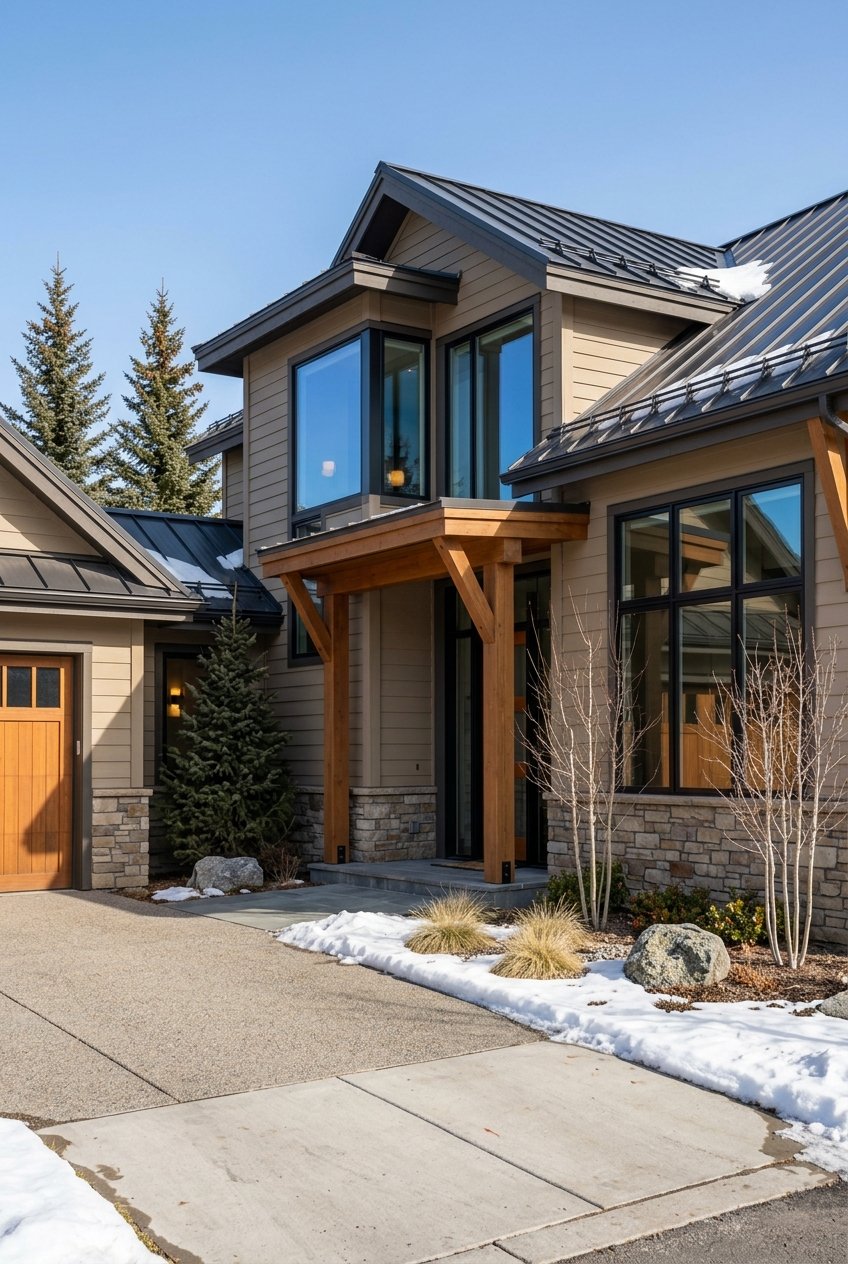
These pockets are generally best understood as more residential and less retail-oriented than Historic Downtown or Willits. In practical terms, that often means more separation from commercial centers, more variation in lot size and housing form, and a different pace of daily life.
For some buyers, that is exactly the goal. If you are less focused on walking to cafes or services and more focused on privacy, setting, or a residential feel, these areas may deserve serious consideration.
Basalt Connect’s expansion to places like Emma, Crown Mountain, and Summit Vista also shows how some of these neighborhoods connect back into town services and transit options. That can matter if you want a residential setting without feeling cut off from Basalt’s core amenities.
Who the outer pockets may suit
These areas may fit best if you want:
- More separation from commercial districts
- A primarily residential environment
- More variety in lot size or housing form
- Access to Basalt’s orbit without being in the center of it
The tradeoff is usually convenience. You may rely more on a car or transit planning, but gain a setting that feels more removed from the busiest parts of town.
How to compare Basalt neighborhoods
When you tour Basalt, it helps to compare neighborhoods through a few clear lenses rather than trying to rank them in the abstract. Most buyers narrow the field faster when they focus on how they plan to live day to day.
Here are four smart comparison points:
1. Walkability and errands
If being able to get to restaurants, shops, parks, or services on foot matters most, Historic Downtown and Willits are usually the strongest starting points. Both are tied closely to Basalt’s main commercial nodes.
2. Housing style and age
Historic Downtown is more associated with older homes and character-driven buildings. Willits is more associated with newer mixed-use development, including condos and townhomes. Southside and outlying pockets often lean more residential, with broader variation in housing form.
3. Maintenance and ownership feel
If you want lower-maintenance ownership, Willits may offer more of the product types that fit that goal. If you want a traditional detached-home setting, Southside or some of the outer residential pockets may be more relevant.
4. Setting and pace
Historic Downtown often competes on charm and scarcity. Willits competes on convenience and newer product. Outer pockets often compete on space, separation, and residential feel.
What today’s market means for your search
Basalt remains a high-price market, but current conditions suggest buyers may have more room to evaluate options carefully than they did at the market peak. The Town of Basalt’s 2024 Housing Needs Assessment put the town’s median sale price at about $1.3 million in 2023, up from $805,000 in 2018.
Recent market trackers cited in the research show a similar general range. Reported 2026 figures place median sale prices around the mid-$1.3 million to $1.4 million range, with reported listing prices higher and homes taking about 80 days to sell. Some market reports describe Basalt as a buyer’s market or not very competitive.
That does not make neighborhood choice less important. In a market with a wider range of negotiating conditions, comparing location, housing type, and daily convenience becomes even more valuable. You have more reason to be selective about fit, not just price.
A simple way to choose the right area
If you are still deciding where to focus, start with one question: What do you want your normal week to look like? Your answer usually points you toward the right part of Basalt faster than any label does.
If you want to walk to daily amenities and enjoy older-town character, Historic Downtown may rise to the top. If you want newer construction and mixed-use convenience, Willits may make the most sense. If you want a more residential setting with more separation from commercial areas, Southside or one of the surrounding pockets may be the better fit.
The best Basalt neighborhood is usually the one that matches your routine, not the one with the loudest reputation. If you want help comparing specific areas, price points, or available homes in and around Basalt, Bruce Johnson with Douglas Elliman Aspen-Snowmass can help you evaluate the options with local perspective and clear guidance.
FAQs
Which Basalt area is most walkable for daily errands?
- Historic Downtown and Willits are generally the most walkable Basalt areas for access to shops, services, dining, and other daily needs.
Which Basalt area is most likely to have newer condos or townhomes?
- Willits is generally the Basalt area most associated with newer mixed-use residential options such as condos and townhomes.
Which Basalt neighborhoods feel the most residential?
- Southside and surrounding pockets like Holland Hills, Lazy Glen, Emma, and Sopris Village are generally understood as more residential and less retail-oriented than the core commercial areas.
Why are Basalt home prices still high?
- Basalt is close to fully built out, and the town’s housing stock is relatively limited, with smaller homes and higher price per square foot contributing to elevated pricing.
How should buyers compare Basalt neighborhoods?
- The most useful way to compare Basalt neighborhoods is by walkability, housing style and age, maintenance level, transit access, and whether you prefer a historic core, mixed-use district, or more residential setting.