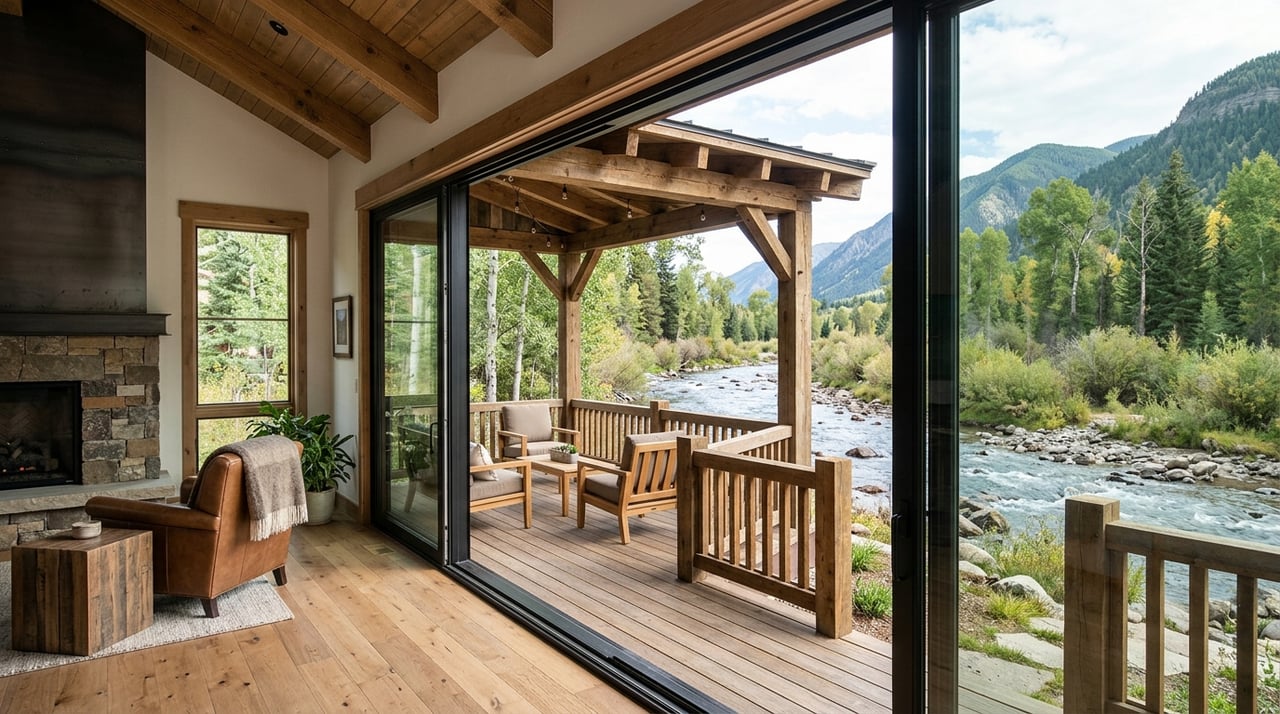
If you are drawn to the Fryingpan River, you are probably not just looking for a house. You are looking for a lifestyle that includes water, mountain views, a strong sense of place, and easy access to some of the Roaring Fork Valley’s best outdoor amenities. In and around Basalt, that lifestyle is real, but it comes with a few practical tradeoffs that are worth understanding before you buy. This guide will help you see how living close to the Fryingpan River actually feels, where the key areas are, and what to expect day to day. Let’s dive in.
Why the Fryingpan River Stands Out
The Fryingpan River shapes Basalt in a very visible way. Historic Downtown Basalt sits at the confluence of the Fryingpan and Roaring Fork rivers, which gives the area a strong connection to the water and a distinct small-town setting.
That river identity carries east into the Fryingpan Valley, where the landscape becomes more rural and spread out. According to local and county sources, this corridor includes ranches, homes, small residential pockets, steep canyon walls, and terrain that gradually shifts from irrigated pasture to more rugged mountain land.
For many buyers, the appeal is simple. You get a setting that can feel both connected and peaceful, with the river acting as a thread between downtown convenience and a quieter canyon lifestyle.
Where to Live Near the Fryingpan
Historic Downtown Basalt
Historic Downtown Basalt is the most walkable option if you want to stay close to the river and close to everyday amenities. The area is known for its historic character, brick storefronts, local businesses, restaurants, and direct river proximity near the confluence.
If you want to be able to step out for coffee, dining, shopping, or community events without relying on your car, downtown is the strongest fit. The downtown area also includes Lions Park, Town Hall, and nearby river access points, which helps keep the water as part of daily life.
Emma and East-of-Town Areas
Emma sits between downtown Basalt and Willits, making it a useful middle ground for buyers who want access to town but a bit more breathing room. It is relevant to a Fryingpan-focused search because it keeps you within reach of the river-oriented core while also connecting well to the rest of Basalt.
This location can appeal if you want a more transitional setting rather than a fully downtown or fully canyon experience. Your exact lifestyle will depend on the property, but the benefit is flexibility.
Fryingpan Valley and Ruedi Corridor
If your main goal is a quieter setting near the river, the Fryingpan Valley east of town is where the experience changes most. This area is more sparsely populated and includes homes, ranches, and clustered subdivisions extending toward Ruedi Reservoir.
Eagle County notes subdivisions such as Seven Castles Estates and Ruedi Shores, and the county also reports that homes below the reservoir are generally more upscale while homes above the reservoir are typically more modest. As you move farther up the canyon, the lifestyle becomes more rural, more private, and more dependent on driving.
The Real Lifestyle Tradeoff
Living near the Fryingpan River sounds idyllic, and in many ways it is. Still, the best way to think about it is as a balance between recreation, scenery, convenience, and access limitations.
You may be close to the water, but that does not always mean broad public riverfront use. Official access rules and county planning documents show that many reaches of the Fryingpan flow through private property, and public access is limited to designated points.
In practical terms, living near the river often means proximity, views, and easier access to fishing and outdoor recreation rather than unrestricted frontage. That distinction matters when you compare homes in town with homes farther up Frying Pan Road.
Fly-Fishing Is a Major Draw
The Fryingpan River is one of the area’s biggest lifestyle anchors for anglers. Its Gold Medal section runs 14 miles from Ruedi Dam to its confluence with the Roaring Fork River in Basalt, and local watershed and chamber sources note year-round fishing opportunities for rainbow, brown, and cutthroat trout.
That kind of access is a meaningful draw for both full-time residents and second-home buyers. It can shape how you spend weekends, how often guests visit, and what kind of daily routine you build around your home.
What access really looks like
The key point is that public bank access is not continuous. Colorado Parks and Wildlife maps show designated parking off Frying Pan Road near mile 6 from Basalt, with access limited to designated points, public access prohibited except while fishing, and dogs prohibited in the state wildlife area.
That means your experience will vary by location. Some homes may feel close to the action, but actual legal access may still require you to use official pullouts, parking areas, and marked entry points.
Seasons Change the Experience
The Fryingpan is a year-round river, but the feel of living near it shifts with the seasons. Ruedi Reservoir plays a big role in that cycle, with reservoir levels typically lowest in April, rising through spring snowmelt, usually filling by mid-July, and then declining in late summer and fall as releases change.
For you as a homeowner, that can affect the river’s appearance and the general rhythm of the valley. The landscape, traffic patterns, and recreation use all tend to change as water conditions and visitor activity shift throughout the year.
County planning documents also note strong fishing pressure and steady use by anglers, cyclists, and tourists along Frying Pan Road. In other words, the area can feel calm and tucked away at times, then noticeably busier during peak periods.
Trails and Getting Around
While the river is the headline feature, trails are a big part of the appeal too. The Rio Grande Trail offers a 42-mile continuous multi-use route between Glenwood Springs and Aspen, separated from vehicle traffic except at intersections.
For Basalt residents, that matters because downtown is well connected. The Basalt Chamber notes that the Basalt/Old Snowmass and Emma bike trails connect either end of downtown back to the Rio Grande Trail, helping link the river core, surrounding neighborhoods, and daily destinations.
Winter trail notes
RFTA reports that the Rio Grande Trail is plowed in winter when snowfall exceeds 3 inches between Glenwood Springs and Main Street, Carbondale. It also notes that the section between Rock Bottom Ranch and Catherine Bridge closes seasonally from November 30 to April 30.
That does not take away the value of the trail system, but it is a reminder that access and routine can vary by season. If year-round mobility is important to you, it helps to understand which trail segments stay consistently usable.
Downtown Convenience vs Canyon Privacy
One of the most important decisions is whether you want walkability or space. Near Historic Downtown Basalt, you are closer to restaurants, boutiques, specialty stores, and seasonal community events like the summer Sunday market and the indoor winter market.
Colorado tourism sources note that Basalt has more than 20 restaurants along with a wide range of shops. For buyers who value convenience and activity, that can make downtown feel very practical.
By contrast, the Fryingpan Valley offers a more private and scenic experience. The tradeoff is that county planning documents describe a narrower, steeper road in places, no public transportation, and more reliance on private wells and onsite wastewater systems in many areas.
What Homes Near the Fryingpan Look Like
Housing near the Fryingpan River is not one-style-fits-all. In Basalt’s core, the housing character tends to be older and more walkable, while nearby Southside includes single-family homes and duplexes.
Farther west, Willits presents a more modern mixed-use environment with houses, townhouses, parks, shops, and businesses. Although it is not the most river-centered setting, it is Basalt’s modern convenience hub, with Willits Town Center including residential lofts, a healthcare center, Whole Foods, an hotel, and local restaurants and retailers.
In the Fryingpan Valley, the housing mix includes ranches, standalone homes, and clustered subdivisions. If you are comparing options, it helps to think less in terms of one ideal property type and more in terms of the daily experience you want.
Who This Lifestyle Fits Best
Living close to the Fryingpan River can work well for several kinds of buyers. It may suit you if you want:
- Easy access to fly-fishing and river scenery
- A Basalt home base with strong outdoor amenities
- A choice between walkable town living and a more rural canyon setting
- A property that supports either full-time living or a seasonal retreat
It may require more thought if you prefer fully urban-style convenience, broad public waterfront access, or minimal driving. As you move east toward the canyon, the setting becomes more scenic and private, but also more road-dependent and self-reliant.
How to Evaluate a Fryingpan-Area Property
If you are considering buying near the Fryingpan River, focus on the details that shape daily use. Ask how close the home is to designated fishing access, downtown Basalt, and trail connections.
You should also look closely at the practical side of the location. Road conditions, seasonal activity, utility setup, and the difference between visual river proximity and legal access can all affect whether a property truly fits your goals.
The right purchase usually comes down to matching the setting to your routine. Some buyers want to walk to dinner after a day on the river, while others want more land, more quiet, and a stronger sense of retreat up the valley.
If you are weighing homes in Basalt or along the Fryingpan corridor, working with a local advisor can help you compare those tradeoffs with more clarity. For tailored guidance on Basalt, the Fryingpan Valley, and the broader Roaring Fork Valley, connect with Bruce Johnson with Douglas Elliman Aspen-Snowmass.
FAQs
What is it like to live near the Fryingpan River in Basalt?
- Living near the Fryingpan River can mean a mix of river scenery, fly-fishing access, trail connections, and either downtown convenience or more rural privacy, depending on where you choose to live.
Where are the main areas to consider near the Fryingpan River in Basalt?
- The most relevant areas are Historic Downtown Basalt near the confluence, Emma between downtown and Willits, and the Fryingpan Valley and Ruedi Reservoir corridor east of town.
Is there public access along the Fryingpan River in Basalt?
- Public access is limited rather than continuous. Official sources show designated access points and parking areas, while many stretches of the river flow through private property.
Can you fish the Fryingpan River year-round near Basalt?
- Yes. Local sources describe the Fryingpan River’s 14-mile Gold Medal section as offering year-round fishing opportunities for rainbow, brown, and cutthroat trout.
What should buyers know about homes in the Fryingpan Valley near Basalt?
- Buyers should know that homes in the Fryingpan Valley often come with more privacy and open scenery, but may also involve private wells, onsite wastewater systems, no public transportation, and a more road-dependent lifestyle.
How does downtown Basalt compare with living farther up Frying Pan Road?
- Downtown Basalt offers stronger walkability and easier access to restaurants, shops, and community events, while properties farther up Frying Pan Road typically offer a quieter, more rural setting with fewer town-style conveniences.