A few years back, Martha Ferguson woke around three or four in the morning, the way she often does, and looked out her east-facing window toward Capitol Creek expecting the black expanse she'd known since she and her husband built their home off Snowmass Creek Road in 1984. Instead she caught "two gigantic columns of light blasting through the night" from a neighbor's property, glare that erased the whole eastern sky. That single bad morning turned into a four-year organizing project. It became WildSky Old Snowmass. It became a rewritten Pitkin County lighting code. And this February, it became something you can now verify on a nonprofit's website: when Old Snowmass was certified, it became the 20th International Dark Sky Place in Colorado and one of 273 worldwide.
This piece isn't about how pretty that sounds. It's about what the designation actually requires of the person who owns the barn light, and whether any of it mattered when the sky finally gave the valley something worth testing it against. This August did exactly that. The Perseid meteor shower peaked the night of August 12 into the morning of August 13, under a new moon, in what astronomers were calling the best viewing setup the shower has had in years. It was the first major celestial event Old Snowmass has hosted since its certification came through, and it's worth understanding what that certification changed on the ground before you decide whether the timing was more than a coincidence.
The rule most residents haven't actually read
Certification didn't arrive because Old Snowmass looked dark on a map. It arrived because Pitkin County rewrote its exterior lighting code for the first time since 2006, and the new version has teeth that apply to your property whether or not you've heard of WildSky.
County commissioners passed the ordinance on first reading by unanimous vote, then finalized it at a second reading scheduled for January 22, 2026. The code sets three lighting zones across the county rather than one blanket rule: a remote and rural zone, a mixed rural and suburban zone, and a more developed zone near the airport and West Maroon overlay. Each zone carries its own lumen caps, and residential properties get an aggregate lumen allowance scaled to house size rather than a flat number. On top of the zoning, the code sets a curfew: most exterior lights are required to go dark between 10 p.m. and 6 a.m., with exceptions carved out for operating businesses and certain public safety and parking lighting. Holiday lighting gets its own restricted seasonal window rather than year-round permission. None of this is aspirational language in a mission statement. It's an ordinance with per-fixture limits that a Pitkin County planner has to enforce.
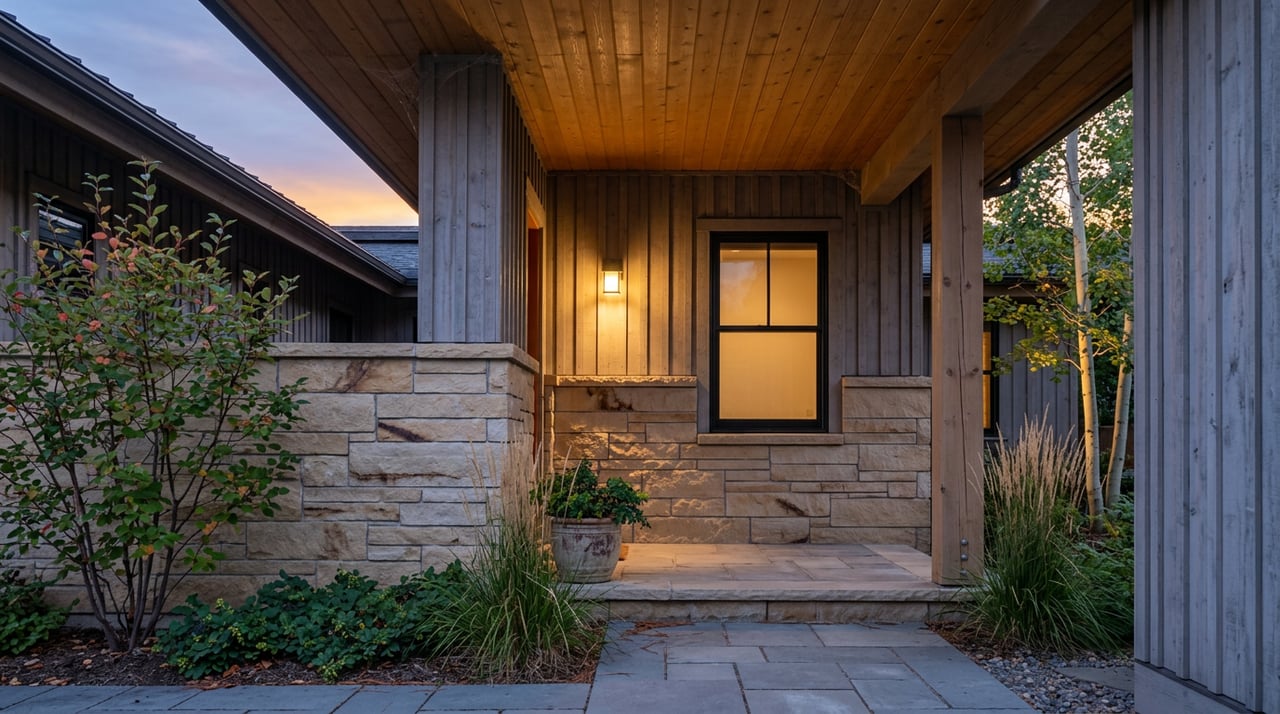
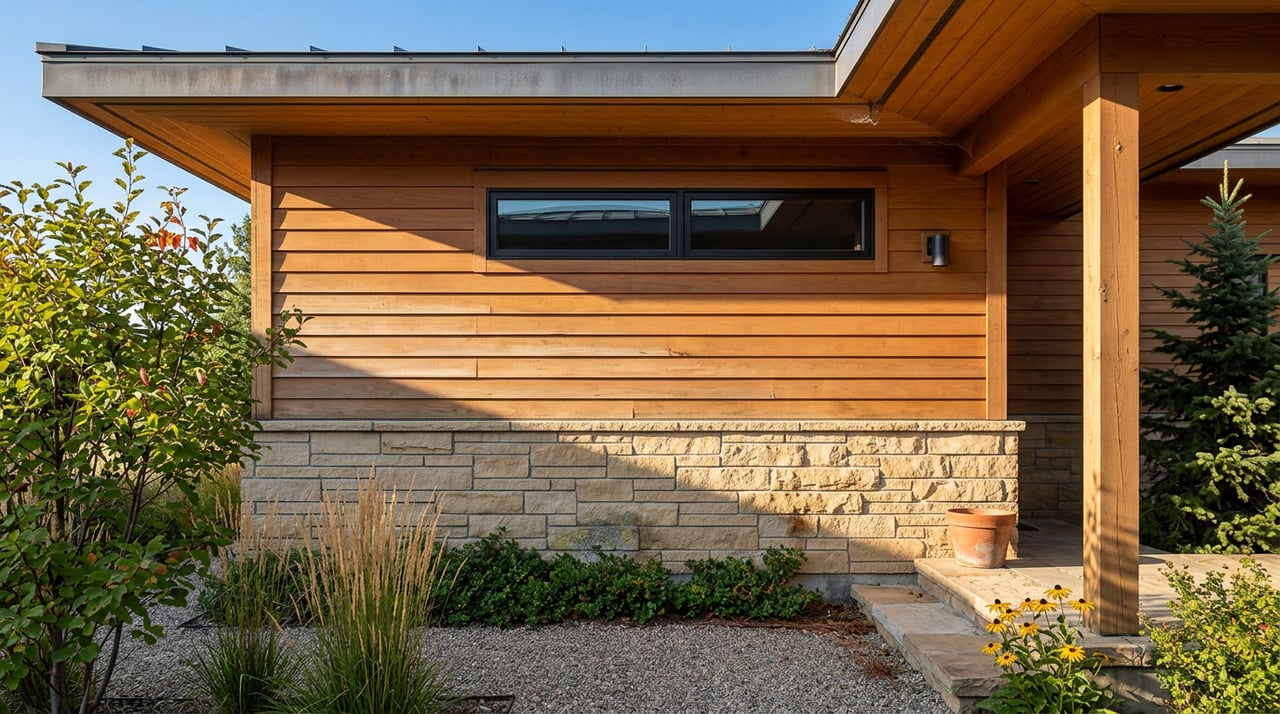
Ferguson has been careful, in public comments over the years, not to frame this as a lights-off mandate. The point, as she's put it, is being smart about how a property is lit rather than pretending darkness is the only acceptable state. Still, for anyone doing exterior work on a home in the Capitol Creek or Snowmass Creek valleys, the practical takeaway is specific: fixtures need to be shielded and directed so the bulb itself isn't visible from the property line, and that requirement now sits inside county code, not just a caucus newsletter.
Who actually pushed this through, and why it took the whole valley
Ferguson didn't do this alone, and the process wasn't fast. She rejoined the board of the Snowmass Capitol Creek Caucus, a volunteer neighborhood organization that Pitkin County officially recognized on November 18, 1974, and has been advising the county on land use in the Snowmass and Capitol Creek valleys for fifty years. Working alongside county planner Larisa LaLonde, the caucus spent roughly four years building out the updated code, holding public sessions at the Carbondale Library and the Pitkin County Library to walk residents through what would and wouldn't be allowed. The county's referral list for the final ordinance reads like a roster of every group with a stake in outdoor light in the valley: the Castle Creek Caucus, the Upper Snowmass Caucus, Colorado Parks and Wildlife, Aspen Skiing Company, and DarkSky International itself, among others.
Pitkin County Commissioner Jeffrey Woodruff, whose district includes Old Snowmass, tied the code back to land the county has already worked to protect through other means.
"The valley of Snowmass and Capitol Creek are critical wildlife habitats," Woodruff said, adding that maintaining the night sky "complements the protections we have put in place through conservation easements and additions to wilderness."
That framing matters if you live here because it explains why a lighting ordinance got treated with the same seriousness as an open space acquisition. Old Snowmass's identity, at roughly 7,500 feet between Aspen and Basalt, has always rested on staying largely undeveloped, a place with elk herds, mule deer, and ranching roots dating to the silver boom era. The dark sky push wasn't a separate cause. It was the same conservation instinct applied to something the valley had been losing without quite noticing.
The night the designation actually got tested
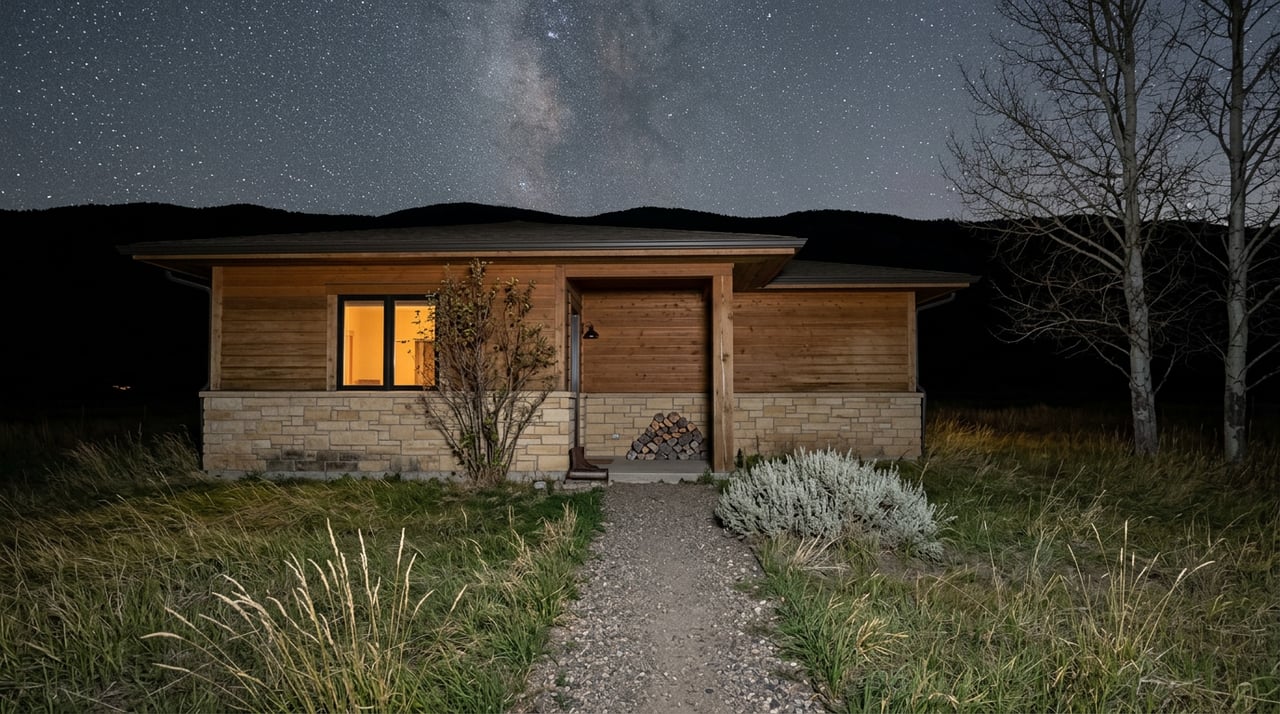
The 2026 Perseids gave the valley its first real chance to see whether any of this changed anything. The shower's peak landed on a new moon, which meteorologists and astronomy groups across the state flagged as the most favorable Perseid setup in recent memory, since even a partial moon typically washes out the fainter meteors. The American Meteor Society's baseline for a normal dark, rural site puts peak Perseid rates at 30 to 50 meteors an hour. NASA's ceiling for genuinely ideal, dark-sky conditions runs as high as 100 an hour. That gap between "rural" and "certified dark sky rural" isn't decorative. It's the entire reason the designation exists, because unshielded barn lights and driveway floods can quietly push a rural property back down toward suburban sky glow no matter how few neighbors are actually nearby.
Meanwhile, viewers in the Denver metro area were contending with monsoon cloud cover moving through on peak night, on top of the usual city sky glow that limits any view regardless of weather. Old Snowmass residents watching from their own decks or fields had two advantages stacked in their favor this year that most of the state didn't: a codified lighting environment built specifically to protect a dark view, and a meteor shower peaking under the darkest possible moon phase. Whether any given household actually saw meteors came down to cloud cover on the night, which nobody controls. But the sky itself, the part the county code and the caucus spent four years working on, was doing its job.
The part of the code nobody is out there enforcing
One detail worth understanding if you're weighing whether to fully comply with the new curfew: Pitkin County's lighting code, like the city of Aspen's, is primarily complaint-based. There isn't a patrol checking driveways at 11 p.m. If a neighbor's fixture is out of compliance, the mechanism for addressing it runs through someone filing a complaint, not through routine enforcement. That's a meaningful thing to know both as a homeowner deciding how much effort to put into shielding a new fixture, and as a neighbor deciding whether a glare across the fence line is worth raising with the county or with the caucus directly.
What's still ahead on the calendar
WildSky Old Snowmass maintains a running astronomy calendar on its own site, tracking meteor showers, eclipses, and planetary conjunctions through the rest of 2026, useful for anyone who wants to plan a clear night around something specific rather than just stepping outside and hoping. Two dates worth marking now that the Perseids have passed: the Orionids peak the night of October 21 into October 22, though an 80 percent full moon that night will cut into visibility, and the Geminids, typically the strongest shower of the year, peak the night of December 13 into December 14, when the moon will be a waxing crescent that sets before the radiant climbs high enough to matter. The Snowmass Capitol Creek Caucus also keeps up its long-running tradition of a summer community picnic for residents of the caucus area, the kind of low-key neighborhood gathering that has doubled, in past years, as an informal night under the stars.
Ferguson's early morning encounter with a neighbor's floodlights started all of this. The quiet payoff is that the next resident who gets up at four in the morning and looks east is a little more likely to see what she used to see before that light showed up. That's not a marketing line. It's what a lighting curfew and a lumen cap are actually built to do, one property at a time.
If you're weighing a purchase, a build, or an exterior lighting update anywhere in the Capitol Creek or Snowmass Creek valleys and want a conversation grounded in decades of on-the-ground experience in this part of the Roaring Fork Valley, Bruce Johnson is available to talk through what the current market and the current code both mean for your property. Reach out to request a home valuation and start with a clear picture of where things stand.