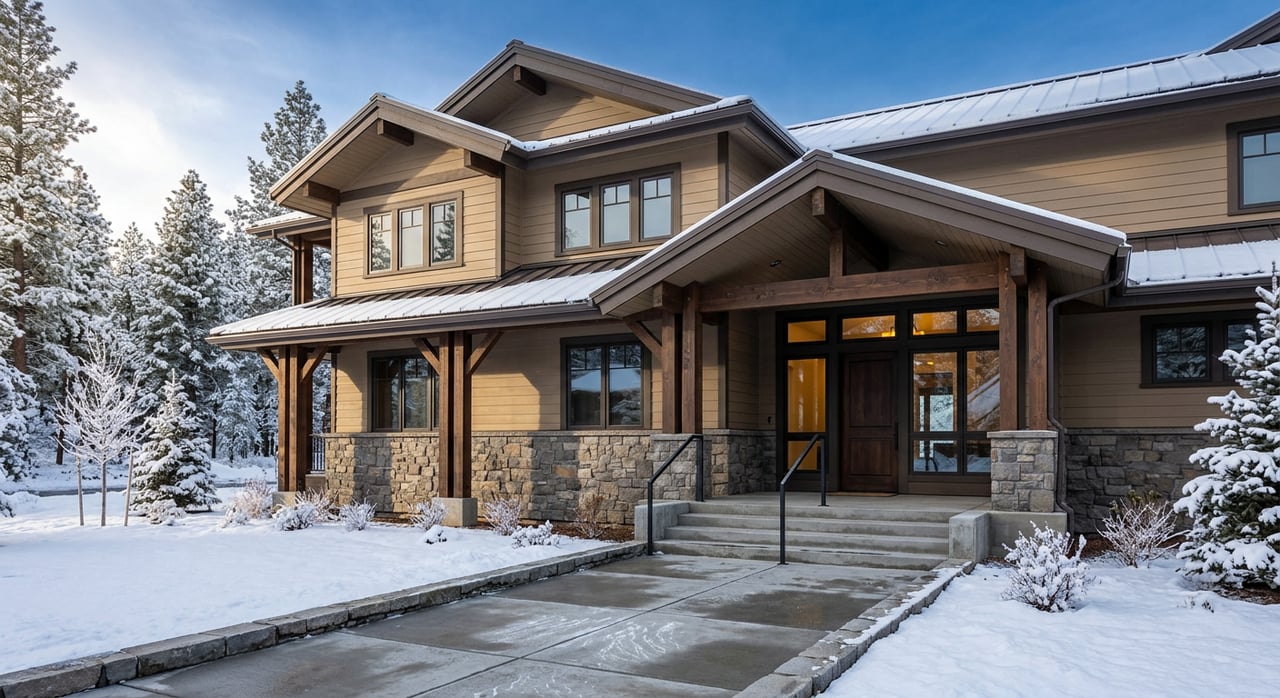
What does life really look like when your front door sits steps from a lift at Snowmass? If you are weighing a second home or rental‑friendly condo, you want a clear picture of daily routines, real costs, and the rules that shape your options. In this guide, you will learn how ski access and village amenities work, what to budget for HOAs and taxes, the short‑term rental rules that matter, and a simple buyer checklist to use before you write an offer. Let’s dive in.
Why Snowmass Village works
Snowmass Village anchors one of the largest lift‑served ski areas in the country and has seen significant Base Village investment in recent years. Many condos sit beside or within a short walk of primary lifts like the Elk Camp Gondola, Village Express, and Assay Hill, which keeps your gear transitions quick and simple. The resort’s planning resources outline how Base Village and Elk Camp function as core on‑mountain hubs, which is exactly why slopeside ownership is so convenient for frequent-use owners. You can review that big‑picture layout in the resort’s planning overview at the Snowmass master development page from Aspen Snowmass.
You also benefit from a connected village. The Sky Cab (locals call it “Skittles”) links the upper Mall and the newer Base Village, so you can move between shops, restaurants, and lifts without a car. Local shuttles and regional RFTA buses make evenings in Aspen and airport days straightforward. For schedules and options across the village and to Aspen, check the transportation guide for Snowmass.
Everyday convenience near your door
Owning in Snowmass often means you can walk or take a short shuttle to daily needs. Typical perks include ski rental and valet services, on‑site or nearby dining, and well‑equipped fitness areas, pools, and hot tubs. Families appreciate the Treehouse Kids’ Adventure Center at Base Village and a steady calendar of ice skating, concerts, and seasonal events that make quick trips feel like full vacations. Explore how Base Village programming and amenities support that lifestyle on the Base Village community site.
Snowmass is a true four‑season base. Beyond winter, owners use their condos for mountain biking, hiking, and family travel. The resort’s summer program includes the Lost Forest alpine coaster, bike parks, and mountain events, and the broader resort has emphasized multi‑season appeal in its planning updates. For a sense of that year‑round approach, see the resort’s planning context.
Getting around and parking
You can live car‑light here. The Town’s local shuttles serve neighborhoods and core areas, and regional buses link Snowmass Mall and Aspen’s Rubey Park, often free for upper‑valley trips. Many owners use transit for Aspen dinners or to connect with flights, which keeps winter driving off your plate. For current routes and how to move between village zones, start with the Snowmass transportation overview.
Parking is building‑specific. Many condo properties include one assigned space, while guest or overflow parking can be limited and sometimes charged in peak season. If you plan to host family or friends with multiple vehicles, review parking allocations, permits, and any seasonal fees during diligence. Real‑world listing notes often highlight assigned spaces and guest rules, like this example from the local MLS for a Snowmass condo at Stonebridge on Carriage Way: MLS listing example with parking details.
Ownership costs you should plan for
HOA assessments vary widely by building and amenity level. Older village lodges like Stonebridge, Crestwood, and Laurelwood often have larger unit counts and established rules, with annual dues frequently in the low‑to‑mid five figures. Recent examples show Stonebridge units in roughly the 16,000 to 30,000 dollars per year range, depending on size and inclusions. At the other end, newer Base Village residences that offer concierge services and resort‑style amenities can carry monthly dues in the several‑thousand‑dollar range; one recent example showed about 3,888 dollars per month. See how listings present dues and inclusions in this MLS example. Your specific number depends on the building, unit size, and what the HOA covers.
Beyond HOA dues, factor in taxes and closing costs. The Town of Snowmass Village levies a 1 percent real estate transfer tax (RETT) that buyers pay at closing, and some Base Village properties can have an added metro district surcharge. Review current forms and exemptions on the Town’s RETT page. Property taxes are assessed by Pitkin County based on value and applicable mill levies; timing and methodology are outlined in the county’s assessment FAQ. Work through a parcel‑specific estimate during diligence so you know your all‑in annual number.
Renting your condo: rules and revenue basics
If short‑term rental income is part of your plan, focus first on permissions and compliance. Snowmass Village requires a town business/sales tax license and a short‑term rental permit for stays under 30 days. Permit types vary by building type and management structure, and applications run through the Town’s MUNIRevs portal. You can review the current program and renewal timing on the Town’s STR information page.
Operational requirements matter. The Town requires a designated local owner representative who can respond within 60 minutes, STR‑appropriate liability insurance, adherence to occupancy limits tied to bedroom count, and a minimum stay for single‑family homes. Owners must collect and remit sales and lodging taxes monthly, list permit numbers on all ads, and note that large platforms are not remitting taxes on owners’ behalf. Town guidance lists the combined sales and lodging tax for short‑term accommodations at 12.8 percent. The Town’s detailed rules and application instructions are in the official STR guidance.
Just as important, your HOA can be stricter than the Town. Some buildings limit or ban STRs, set minimum stays, or require use of an approved manager. Permission to rent is a two‑step test: the Town must permit it, and the building must allow it. Check both before you assume income.
What drives rental income
Rental performance in Snowmass follows a clear seasonal curve. Winter holiday periods and peak weeks like MLK, Presidents’ Week, and spring break see the highest nightly rates and occupancy. Summer demand is growing with biking, hiking, and events, though average daily rates are usually lower than peak winter. The resort has positioned Snowmass as a multi‑season destination, which supports bookings outside ski season; you can see that focus in the resort’s planning materials.
Your unit’s gross revenue depends on several variables:
- Nightly rate and available nights after owner use and rule limits
- Unit size and bedroom configuration
- Building amenities like pools, concierge, and proximity to lifts
- Visibility across platforms and quality of guest services
- Costs for professional management, cleaning, supplies, and maintenance
Sample listing data in this market show a wide spread of outcomes. Older, smaller units may gross in the low‑to‑mid five figures, while larger or premium Base Village residences can produce more. Model conservatively and include every operating cost: HOA dues, management fees, cleanings, supplies, repairs, permit fees, insurance, and vacancy.
Property management and day‑to‑day operations
Many non‑local owners hire an on‑site or third‑party manager for marketing, guest communications, cleaning, and emergency response. In Snowmass, this is both practical and aligned with Town rules that require a local contact who can respond within 60 minutes. Some buildings operate centralized check‑in and concierge services, which the Town categorizes differently for permitting. You can review those definitions and expectations in the Town’s STR guidance.
Expect simple rhythms if you will be in regular residence. You will coordinate seasonal maintenance, periodic deep cleans, inventory resets between winter and summer, and any building‑level projects with your HOA or manager. Higher‑amenity buildings reduce your to‑do list but usually come with higher assessments.
Pros and tradeoffs
Here is a quick, practical view of what owners often cite.
Pros
- Easy lift access, often ski‑in/ski‑out, which makes short ski windows realistic and friction‑free. The village layout around Base Village and Elk Camp enhances that convenience, as outlined in the resort’s planning materials.
- Resort amenities such as pools, hot tubs, concierge, and the Treehouse Kids’ Adventure Center help short trips feel full‑service. See the Base Village community site for a sample of programming.
- Free or low‑cost village and regional transit reduce the need for multiple cars. For options, start with the Snowmass transportation overview.
Tradeoffs
- HOA assessments can be high and vary by building. They cover many comforts but impact your net cash flow. Recent examples and inclusions are visible in this MLS listing sample.
- Parking can be limited for guests or extra vehicles, and some buildings apply seasonal fees. Confirm allocations and rules early.
- STR compliance adds real operating work and cost. The Town requires permits, a local contact, insurance, occupancy controls, and monthly tax filings. Details are in the Town’s STR guidance.
- Resale values and pricing momentum are influenced by new Base Village inventory and overall resort positioning. For a current context on pricing trends, see mid‑year reporting summaries in the H1 2025 Estin Report.
Market snapshot
Recent summaries point to strong demand for well‑located slopeside units and rising average condo prices, supported by new Base Village product and resort investment. When you evaluate value, compare by building age, amenity level, and true ski access. For current context on sales and pricing, review the H1 2025 Estin Report overview. When modeling rental returns, also consider regulation risk across nearby jurisdictions and HOAs, which can change the supply landscape over time; for background on regional STR policy shifts, see reporting from Aspen Journalism.
Buyer checklist before you write an offer
Use this list to keep diligence focused and efficient.
- Confirm STR eligibility at both levels: does the building and its HOA allow short‑term rentals, and what Town permit type applies to the property? Start with the Town’s STR program page and detailed guidance.
- Request recent HOA budgets and board minutes. Clarify what dues cover, staffing levels, reserve health, and any planned special assessments. Examples of how dues are presented are visible in this MLS listing detail.
- Verify assigned and guest parking, seasonal rules, and any fees. Plan for multi‑car family visits if that is part of your use.
- Model net rental yield, not just gross. Include HOA dues, property management, cleanings, supplies, repairs, Town permit costs, the Town’s combined 12.8 percent lodging and sales tax you will collect and remit, insurance, and realistic vacancy.
- Confirm insurance needs and whether your owner policy allows STR use or requires endorsements. The Town’s STR guidance outlines coverage expectations.
- Clarify closing costs in Snowmass Village, including the 1 percent RETT and any Base Village metro district surcharge. Details and forms appear on the Town’s RETT page.
- Talk with a mortgage advisor about financing paths. Lenders often treat second homes differently than investment properties, with distinct underwriting and pricing if rental is the primary intent. Review typical differences and questions to ask with this second‑home financing overview.
How a local advisor helps
Choosing the right Snowmass Village condo is about fit: true ski access versus shuttle proximity, amenity level versus HOA cost, and clear rental permissions that match your goals. A local advisor helps you compare buildings, surface HOA realities early, and map STR rules to an operating plan that feels effortless when you arrive with skis in hand. That is the difference between a good purchase and one that works for your family year after year.
If you want a precise, building‑by‑building view or plan to sell and would like a strategic valuation, reach out to Bruce Johnson with Douglas Elliman Aspen-Snowmass for calm, data‑driven guidance.
FAQs
What makes Snowmass Village appealing for condo owners?
- Snowmass pairs one of the country’s largest lift‑served terrains with a walkable Base Village and strong transit, so you get easy ski access, four‑season programming, and simple connections to Aspen in about 20 to 40 minutes depending on routing.
How strict are short‑term rental rules in Snowmass Village?
- The Town requires a business license plus an STR permit, a 24/7 local contact who can respond in 60 minutes, STR‑appropriate liability insurance, occupancy and minimum‑stay rules, monthly tax filings, and permit numbers on listings, with a combined 12.8 percent sales and lodging tax collected from guests.
How much are HOA dues for Snowmass condos?
- They vary by building and amenities; recent examples show older village properties with roughly 16,000 to 30,000 dollars per year, while newer Base Village residences can reach several thousand dollars per month, so always verify the exact figure for the unit you are considering.
Do I need a car if I own a Snowmass condo?
- Not necessarily; local shuttles and regional buses cover most daily trips and evenings in Aspen, though frequent off‑valley exploring may still justify a car.
What taxes should I expect when buying and renting?
- At closing, budget for the Town’s 1 percent real estate transfer tax, plus property taxes assessed by Pitkin County each year; if renting, plan to collect and remit the Town’s combined 12.8 percent sales and lodging tax monthly.
Can I use a Snowmass condo in summer and still rent in winter?
- Yes; Snowmass positions itself as a multi‑season resort with biking, hiking, and the Lost Forest alpine attractions, so many owners enjoy summer weeks and focus rentals on peak winter periods.