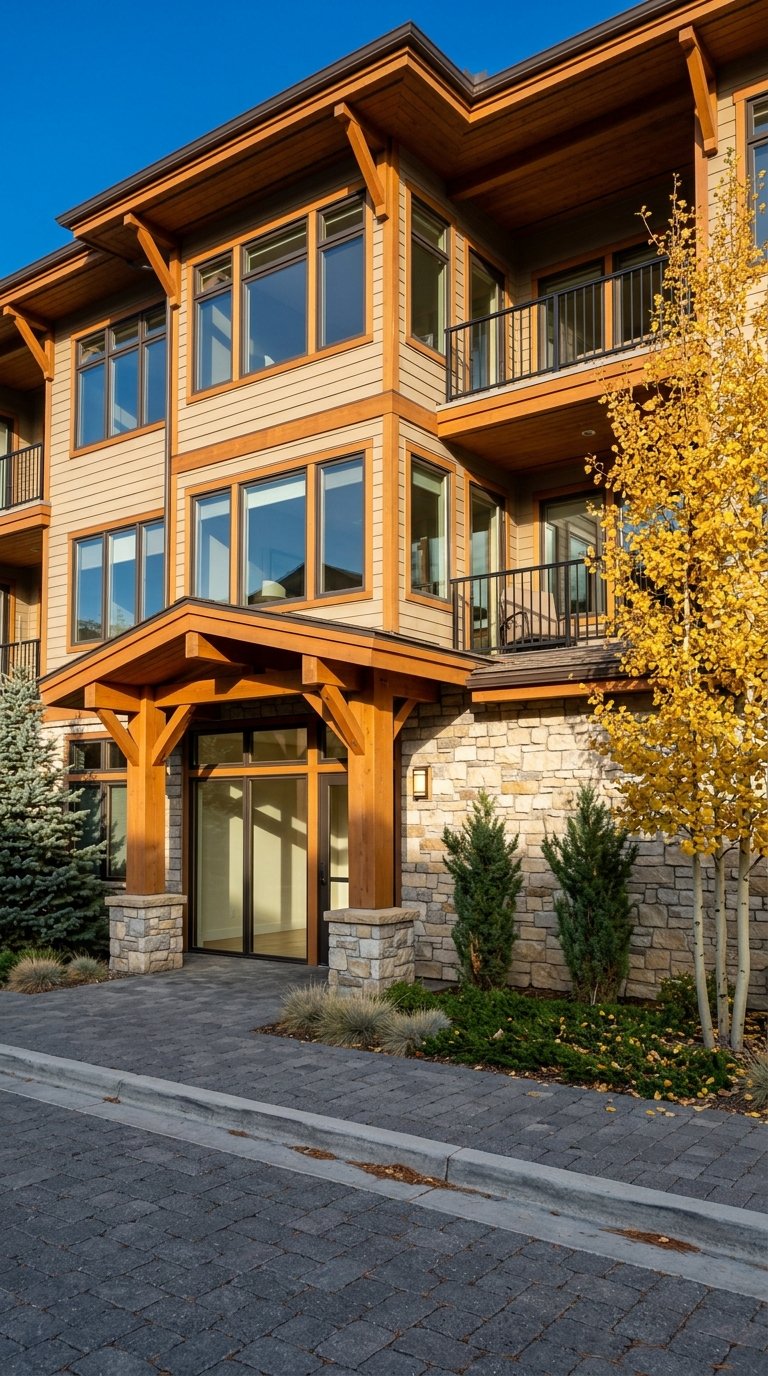
If you are shopping for an Aspen condo, one question matters early: which neighborhood actually fits the way you want to live? In Aspen, condo living can mean stepping out your door to the gondola and restaurants, settling into a quieter residential pocket near historic streets, or choosing a more private setting near trails and open space. Understanding those differences can help you narrow your search faster and make a smarter purchase. Let’s dive in.
Why neighborhood matters in Aspen
Aspen’s condo market offers a more accessible path into central ownership than the single-family market, but it still sits firmly in the luxury category. As of April 2026, the Aspen Board of REALTORS reported a year-to-date median townhouse and condo sales price of $3.4 million, with an average sales price of $5.21 million, 63 homes for sale, and 7.9 months of supply.
That context matters because you are not just choosing between floor plans and finishes. You are also choosing between very different daily routines, noise levels, access patterns, and ownership considerations. In Aspen, neighborhood fit often matters just as much as the building itself.
Downtown Core condo living
The Downtown Core is the heart of Aspen. According to the Aspen Chamber, the area is filled with Victorian-style buildings and easy access to shops, restaurants, art, live music, parks, and the Silver Queen Gondola.
It is also unusually walkable for a resort town. The chamber notes that downtown spans about six blocks and can be crossed east to west in roughly 15 minutes, which makes a car-light lifestyle far more realistic here than in many mountain markets.
What daily life feels like
If you want the simplest version of Aspen living, the Core is often the obvious choice. You can walk to dining, shopping, events, and ski access, and the transportation network also supports easy movement around town with free shuttles, the Downtowner, and RFTA connections.
That convenience comes with trade-offs. Parking in the downtown core is paid and time-limited, so your building’s parking setup and your expectations for car use can affect your ownership experience more than you might think.
What condo buyers often find
The Core tends to offer the most amenity-rich condo experience in Aspen. Some properties include hotel-style services such as concierge and housekeeping, which can make second-home ownership easier to manage.
Aspen Square is a good example of this style of ownership. It sits across from the gondola plaza and offers private condos with kitchens, fireplaces, a pool, hot tubs, concierge, housekeeping, and parking.
Who the Core fits best
Downtown Core condo living is often the best fit if you want convenience first. It can work especially well for second-home buyers who want to maximize walkability and enjoy the energy of central Aspen without needing to drive for everyday activities.
West End condo living
The West End offers a different rhythm. Rather than a commercial district, it reads more like a true neighborhood, with tree-lined boulevards, a quieter atmosphere, and a strong sense of architectural character.
The Aspen Chamber describes the West End as a quiet gem bordered by Aspen Meadows, the Aspen Institute, and the Wheeler/Stallard Museum campuses. The area includes numerous historic homes along with a blend of Victorian and midcentury modern architecture.
What sets the West End apart
For many buyers, the appeal here is balance. You can stay close to central Aspen while enjoying a more residential environment and less of the day-to-day intensity that comes with being in the middle of downtown.
This area often appeals to buyers who value setting and character as much as convenience. If your ideal condo lifestyle includes quieter streets and a more neighborhood-oriented feel, the West End is worth close attention.
Why historic review matters
In parts of the West End, historic preservation can shape what ownership looks like over time. The City of Aspen says that properties in historic districts are subject to design standards, and most exterior work, along with some interior work, must be reviewed and approved before work begins.
That does not make the West End less attractive. It simply means you should understand renovation constraints before you buy, especially if you are considering updates to a boutique condo building, a conversion property, or a townhome-style residence.
Who the West End fits best
The West End is often a strong fit if you want central access with a quieter, more residential setting. It can also appeal to buyers who appreciate architectural character and are comfortable with the added planning that can come with historic review.
East Aspen condo living
East Aspen offers another clear alternative. Public descriptions of the area focus less on retail access and more on trails, nature, and a quieter residential setting.
The Aspen Chamber highlights East Aspen and Hunter Creek for trails, nature paths, hidden neighborhoods, and access along the Roaring Fork River and Hunter Creek. That helps define the neighborhood’s character for condo buyers.
What daily life feels like
If the Downtown Core is about immediate access and activity, East Aspen is more about privacy and scenery. You are still close to town, but the experience is less commercial and more residential.
For many buyers, that trade-off is the point. East Aspen can feel like a calm base that keeps you connected to Aspen while giving you more breathing room and easier access to outdoor surroundings.
What buyers should expect
East Aspen is best understood as a quieter home base, not a walk-everywhere retail district. If your priority is stepping out to coffee shops, shopping, and nightlife every day, the Core may fit better.
If your priority is trail access, privacy, and a less commercial feel, East Aspen may be the stronger match. This is often where lifestyle priorities become clearer during the search process.
Who East Aspen fits best
East Aspen often works best for buyers who want privacy, trail access, and a more nature-oriented setting. It can be especially appealing if you want Aspen access without making downtown activity the center of your daily routine.
Comparing Aspen condo neighborhoods
Here is a simple way to think about the trade-offs.
| Neighborhood | Lifestyle focus | Main advantage | Main trade-off |
|---|---|---|---|
| Downtown Core | Walkability and convenience | Close to shops, dining, gondola, and services | More activity, paid and time-limited parking |
| West End | Residential character | Quieter streets and strong architectural identity | Historic review may affect renovations |
| East Aspen | Privacy and nature | Trails, scenery, and a less commercial setting | Less day-to-day retail walkability |
Aspen condo due diligence to prioritize
Once you identify the right neighborhood, your next step is understanding the ownership details that can affect value and use.
Check short-term rental rules early
Short-term rentals are not automatic in Aspen. The city defines short-term rentals as stays under 30 days and requires permits.
Aspen states that Commercial Core and Lodge zones allow unlimited STR-C permits, while certain residential zones are capped and may have waitlists. The city also notes that owners of lodge or condo-hotel units cannot use the Lodging Exempt permit.
If rental flexibility matters to you, this is a front-end question, not something to leave until after you are under contract. The zone and property type can materially affect how you use the home.
Understand renovation limits
If a condo is located in a historic district or is individually designated, renovation plans may require review before work begins. This can apply to exterior work and, in some cases, interior work.
That matters most in areas where historic character is part of the neighborhood appeal, including parts of the West End. If you are buying with a remodel in mind, due diligence should include a close review of what may be permitted.
Look closely at parking and transit
In Aspen, transportation details can shape your daily experience as much as square footage or views. The city notes that parking in the downtown core is paid and time-limited, while nearby residential zones can offer a different parking experience.
At the same time, Aspen’s free shuttles, the Downtowner, and RFTA can reduce the need for driving, especially in and around central areas. For some buyers, that makes a Core location feel seamless. For others, dedicated parking remains a key priority.
How to choose the right Aspen condo neighborhood
A practical way to start your search is to rank your lifestyle priorities before comparing specific units. In Aspen, the clearest trade-off is often this: Core means maximum convenience, West End means historic quiet, and East Aspen means privacy and nature.
If you lead with lifestyle fit, the inventory tends to make more sense. You can then compare buildings, amenities, and pricing within the neighborhood that supports the way you actually plan to use the property.
Whether you are looking for a lock-and-leave second home, a quieter in-town base, or a residence that puts trails and scenery closer to your front door, a neighborhood-first approach usually leads to a better long-term decision. If you want guidance tailored to your goals, Bruce Johnson with Douglas Elliman Aspen-Snowmass offers local market insight, high-touch buyer representation, and experienced support throughout the process.
FAQs
What is the Aspen condo market like in 2026?
- As of April 2026, Aspen’s year-to-date median townhouse and condo sales price was $3.4 million, the average sales price was $5.21 million, there were 63 homes for sale, and supply stood at 7.9 months.
What is Downtown Core condo living like in Aspen?
- Downtown Core condo living offers close access to shops, restaurants, parks, art, live music, and the Silver Queen Gondola, with a highly walkable layout and transportation options that can reduce car dependence.
What should buyers know about West End condos in Aspen?
- West End condos generally offer a quieter, more residential setting with strong architectural character, and some properties may be affected by historic design review for exterior work and certain interior changes.
What makes East Aspen condos different from downtown Aspen condos?
- East Aspen condos are generally better suited to buyers who want privacy, trail access, and a less commercial setting, while downtown condos are more focused on walkability and immediate access to Aspen amenities.
Can you short-term rent an Aspen condo?
- Aspen requires permits for stays under 30 days, and whether short-term rentals are allowed depends on the property’s zone and permit availability, so buyers should verify those rules early in their search.
Why does parking matter when buying an Aspen condo?
- Parking can have a meaningful effect on daily convenience because downtown core parking is paid and time-limited, while transit options and residential parking conditions can vary by location.