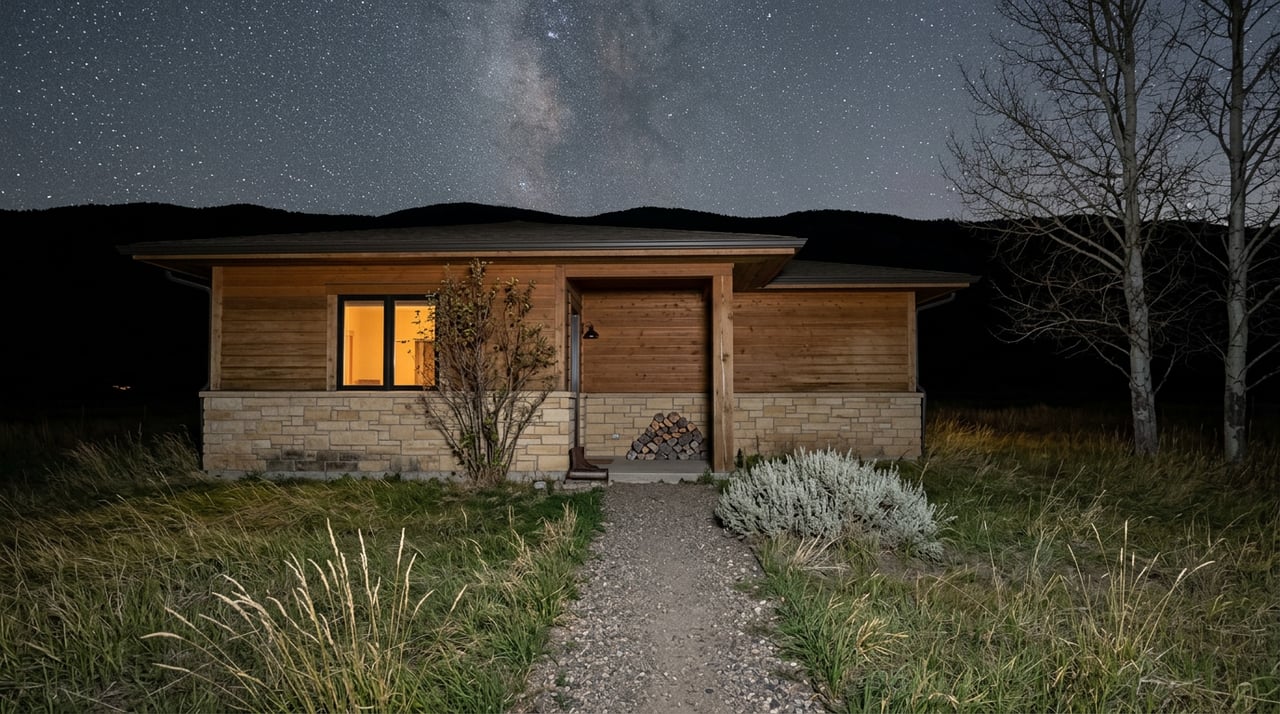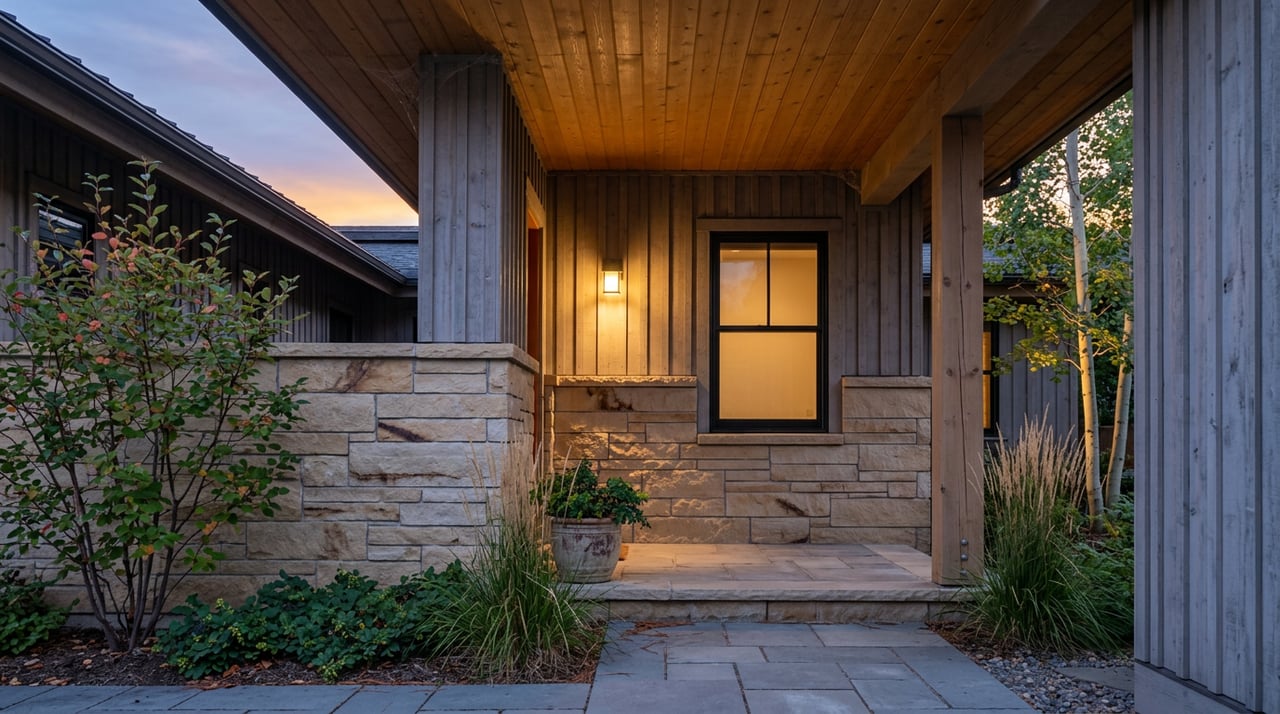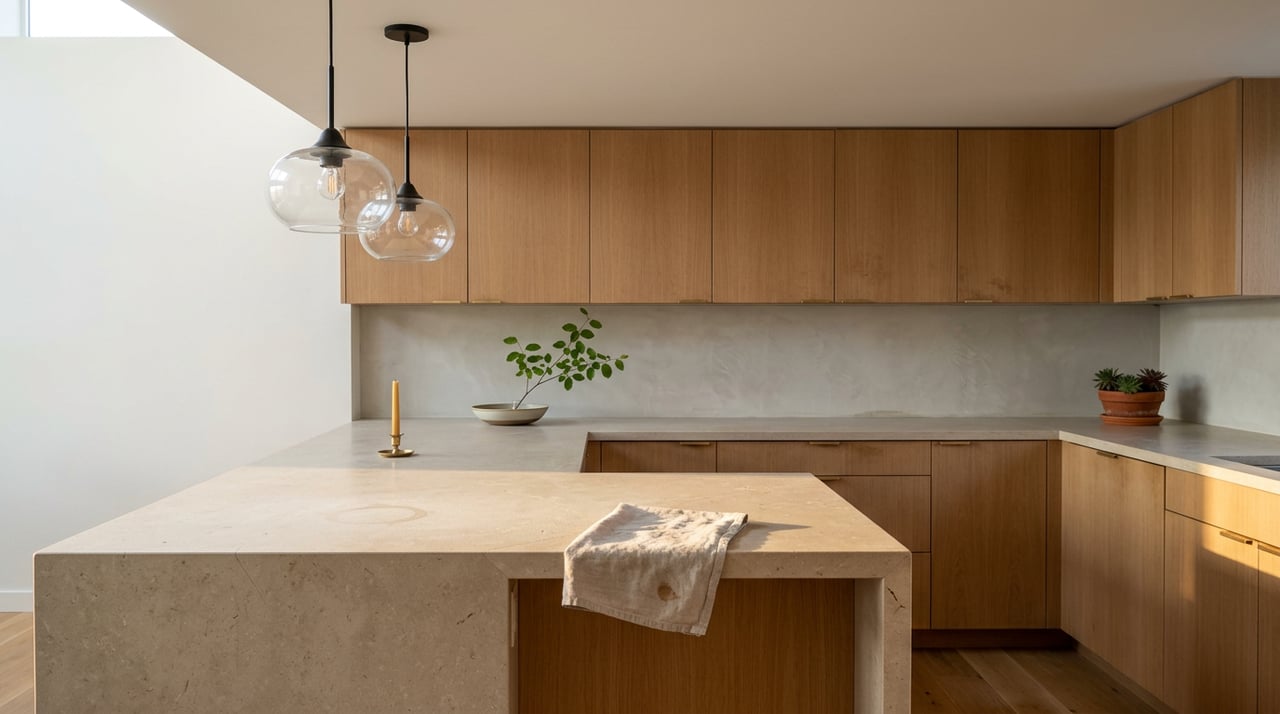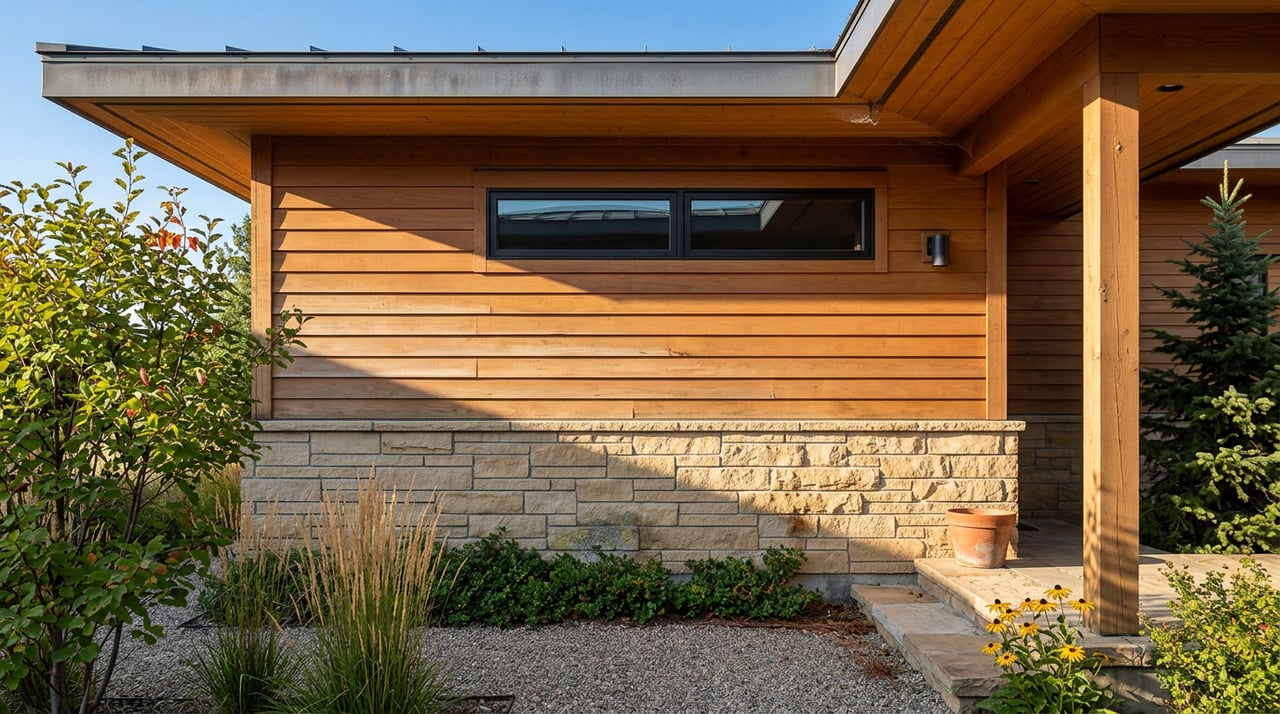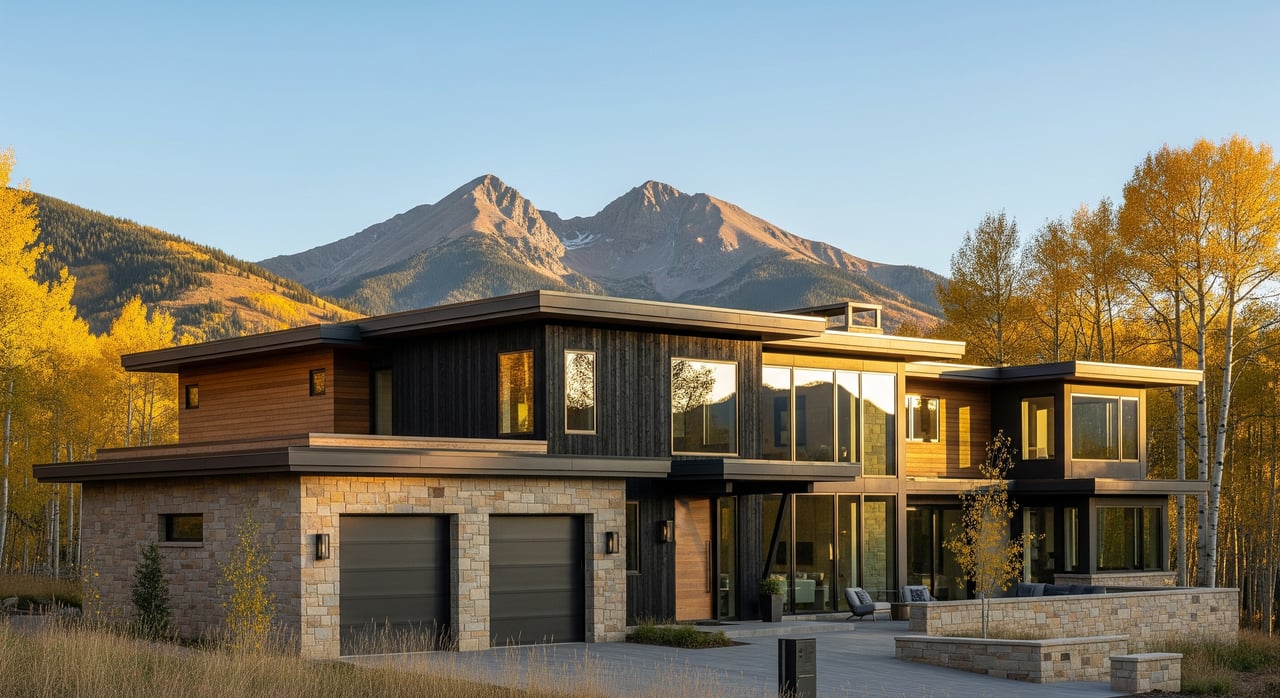
Wondering whether to build from the ground up or buy a move-in ready home in Carbondale? You are not alone. With tight land supply, seasonal dynamics, and a mix of year-round and second-home ownership, the choice carries real tradeoffs. In this guide, you will learn how timelines, costs, financing, inspections, and resale value play out specifically in Carbondale so you can choose with confidence. Let’s dive in.
Carbondale market context
Carbondale sits in the Roaring Fork Valley between Glenwood Springs and Aspen. Proximity to mountain recreation and commuting patterns to nearby job centers shape buyer demand and price sensitivity. The mix of full-time residents and second-home owners influences liquidity and holding periods.
Land availability is constrained by topography, watershed protection, and municipal boundaries. Infill and small-lot projects are common in town, while larger parcels are more typical outside town limits. These site realities often guide whether new construction or resale makes more sense.
New construction: when it fits
New builds can deliver the layout, materials, and energy performance you want. You control specifications and future-ready features like EV charging and solar readiness. Modern systems and builder warranties can lower near-term maintenance and improve resale appeal.
You will want a realistic timeline and budget. Site complexity, winter conditions, subcontractor availability, and permitting can extend schedules. Unknowns like rock excavation or drainage mitigation can add cost and time.
Resale: when it fits
Buying an existing home offers speed to occupancy and established neighborhood context. You can evaluate recent sales to anchor pricing and avoid many site risks. Mature landscaping and an established streetscape can also be attractive.
The tradeoff is potential deferred maintenance and renovation needs. Older systems may need near-term replacement. If you plan significant remodeling, expect more unknowns than with a new build.
Timeline comparison
- New construction on a prepared lot often runs about 6 to 12 months. If the site needs septic and well, major grading, or a longer permit review, expect 9 to 18 months or more.
- Resale transactions typically close in about 30 to 60 days with standard financing. Cosmetic updates can take weeks, while major remodels can stretch to months or longer.
Budgeting and financing differences
- New construction budgets include land, site work, permit and impact fees, structure, finishes, landscaping, builder overhead, contingency, taxes, insurance, and construction loan costs. Unknown site conditions can be material.
- Resale budgets include purchase price, closing costs, any negotiated repairs or credits, and near-term updates or capital items.
Financing also differs. New construction commonly uses construction-to-permanent or standalone construction loans with interest-only draws during the build. Resale purchases typically use conventional or other standard mortgages, with renovation loan options available in some cases.
Carrying costs to plan for
- While building: construction loan interest on draws, builder payments, construction insurance, property taxes, temporary utilities, and possible HOA dues. Carrying costs may start when you acquire the lot.
- After buying resale: mortgage payments, taxes, insurance, utilities, HOA dues, plus any costs to hold the home during updates.
Warranties and protections
New construction generally includes builder warranties, often one year for workmanship and longer terms for major systems or structural items. Some builders use third-party warranty programs. Confirm specific terms in the contract.
Resale transactions rely on seller disclosures and inspection findings. You can purchase a home warranty for systems and appliances. Title insurance protects ownership but does not cover property condition.
Customization and design control
New construction offers deep customization. You can set plans, finishes, and performance targets. Higher customization usually raises cost and extends timelines, so guard allowances and change orders.
Resale provides a fixed starting point. Remodeling can reach many of your goals, though it often carries more surprises and a higher cost per square foot for structural changes.
Inspections and risk focus
New construction inspection focus
- Foundation, grading, and drainage, including erosion control.
- Framing, roofing, flashing, and the exterior envelope for snow and ice conditions.
- Mechanical, plumbing, electrical, and insulation or air sealing for energy performance.
- Code compliance at each municipal inspection, plus third-party inspections at milestones.
- Warranty punchlist and verification that as-built work matches plans.
Resale inspection focus
- Remaining life of roof, HVAC, water heater, and appliances.
- Moisture, roof leaks, signs of settlement, and electrical safety or capacity.
- Septic and well where applicable, plus radon testing and any environmental concerns.
- In mountain areas like Carbondale, look closely at snow load compliance, ice dam protection, insulation and ventilation, grading away from the home, and wildfire mitigation.
Site and regulatory realities
Before committing to a build, confirm permitting timelines and impact fees with the Town of Carbondale or Garfield County. If a variance or special review is needed, account for extra time.
Check utility availability. Municipal water and sewer connections can require capacity fees. If you need a well and septic, permit steps, testing, and setbacks can add months and cost.
Expect mountain geotechnical work. Rock, steep slopes, shallow soils, or perched groundwater can drive engineering decisions and costs. Drainage, retaining walls, and stormwater controls may be required.
Evaluate wildfire risk and required mitigation, including defensible space and ignition-resistant materials. Energy codes affect insulation and mechanical efficiency, and incentives may exist for high-efficiency systems, heat pumps, or solar.
Resale value drivers in Carbondale
- Location relative to town services, trails, recreation, and commuter routes.
- Lot attributes, including views, topography, privacy, access, and buildable area.
- Construction quality and finish level within neighborhood norms.
- Energy efficiency and modern systems that reduce operating costs and support EV readiness.
- Zoning, nearby development, and any HOA or rental rules that impact use.
For new builds, fit matters. An overbuilt custom home in a modest context may not recoup cost. For resales, established comps help you buy value, especially if you plan focused improvements.
Investor vs family lens
Investors should weigh rental rules, seasonal occupancy, local demand, and property management costs. Families often prioritize timing, maintenance profile, and predictable monthly costs. In both cases, exit value depends on neighborhood comps and product fit.
A simple decision framework
Define goals. Clarify use, timing to occupy, budget, and maintenance tolerance.
Analyze the market. Review recent comps for both new and resale options in target areas.
Confirm site feasibility. For a build, validate zoning, utilities, septic or well needs, geotechnical constraints, access, and any environmental setbacks.
Compare total costs. Include land, build, contingency, and carrying costs versus purchase price, rehab, and holding costs for resale.
Assess risk. Timeline risk, cost overrun risk, and resale or livability risk should all be considered.
Plan an exit. Model resale assumptions over a 3 to 5 year or longer horizon for both paths.
How to vet a builder
- Licensing and track record. Verify state and local credentials and speak with several recent Carbondale or Roaring Fork Valley clients.
- Contract clarity. Seek milestone-based payments, clear scopes and allowances, change-order rules, and completion criteria.
- Insurance and liens. Require proof of coverage and lien waivers from subs after each draw.
- Quality controls. Ask about subcontractor vetting, schedule management, and independent inspections at key stages.
- Cost transparency. Test allowances and understand how selections overages are handled.
- Permitting experience. Confirm familiarity with Town and County processes and typical timelines.
- Energy approach. Discuss insulation and air sealing targets, HVAC sizing, EV readiness, and any testing like blower door or HERS.
- Warranty service. Document warranty terms, punchlist process, response times, and escalation steps.
How to vet resale value
- Pull a deep comp set. Aim for 6 to 12 recent sales with similar lot size, age, and bed or bath count within the same neighborhood.
- Check price per square foot patterns and note how features like views or garage size move the needle.
- Test product fit. Ask whether your planned upgrades or a higher-end spec will match the street and support resale.
- Map cost to value. Estimate likely returns for specific improvements based on recent local sale adjustments.
Due diligence checklists
New build essentials
- Current site survey, geotechnical report, and utility agreements.
- Foundation and rough-in inspections for structure, electrical, plumbing, and insulation.
- Final certificate of occupancy and as-built plans.
- Builder warranty documentation and lien releases.
Resale essentials
- General home inspection plus roof, sewer scope, septic or well, radon, and mold as needed.
- Title review and HOA covenants if applicable.
- Thorough review of seller disclosures.
Next steps
If you want maximum control over design and performance and can manage a longer timeline and site risk, a new build can fit. If speed, known neighborhood context, and price anchoring matter most, resale is often the better path. In Carbondale, the right answer starts with a clear goal and a disciplined feasibility check.
Have questions or want a side-by-side plan for your situation? Reach out for local comps, site vetting, and a tailored cost comparison. Bruce Johnson with Douglas Elliman Aspen-Snowmass can guide you from search through negotiation and post-close support.
FAQs
How long does a new build take in Carbondale?
- Many projects on prepared lots take about 6 to 12 months, while sites needing septic, well, or complex grading often run 9 to 18 months or longer.
How do construction loans differ from standard mortgages?
- Construction loans are interest-only on drawn funds during the build with inspections for each draw, then usually convert to a permanent mortgage at completion.
What inspections matter most in mountain climates?
- Focus on snow load compliance, roofing and flashing, insulation and ventilation, drainage away from the foundation, and wildfire mitigation strategies.
How do wells and septic affect building in Carbondale?
- Testing, permits, and setbacks add time and cost, and installation can shift your timeline by months depending on site conditions and approvals.
How do I avoid overbuilding for the neighborhood?
- Anchor decisions to 6 to 12 nearby comps, match finish level to local norms, and model resale based on what buyers are actually paying on that street.