Looking for more land, more privacy, and a more practical way to enjoy Aspen-area ranch living? Old Snowmass stands out because it still feels rural and working in character, even though it stays connected to the valley’s core destinations. If you are considering a horse property, ranch estate, or acreage home here, it helps to understand how land, water, access, and county rules shape everyday ownership. Let’s dive in.
Why Old Snowmass Feels Different
Old Snowmass is part of Pitkin County’s Snowmass-Capitol Creek planning area, which the county describes as predominantly rural and agricultural. The area is known for open pastures, meadows, wildlife habitat, natural watersheds, and riparian corridors. In this setting, the landscape is meant to lead, and the built environment is expected to remain secondary.
That planning framework matters when you are evaluating property here. Old Snowmass is not simply a scenic alternative to resort living. It is a place where land use, open space, water, and agricultural function are all part of the ownership experience.
What Ranch Living Means Here
In Old Snowmass, ranch and equestrian living is not just a visual style. Pitkin County notes that agriculture in this valley primarily includes large-scale livestock grazing, equestrian activity, and irrigated farming of alfalfa and native grasses. That means truly usable land often matters more than appearances alone.
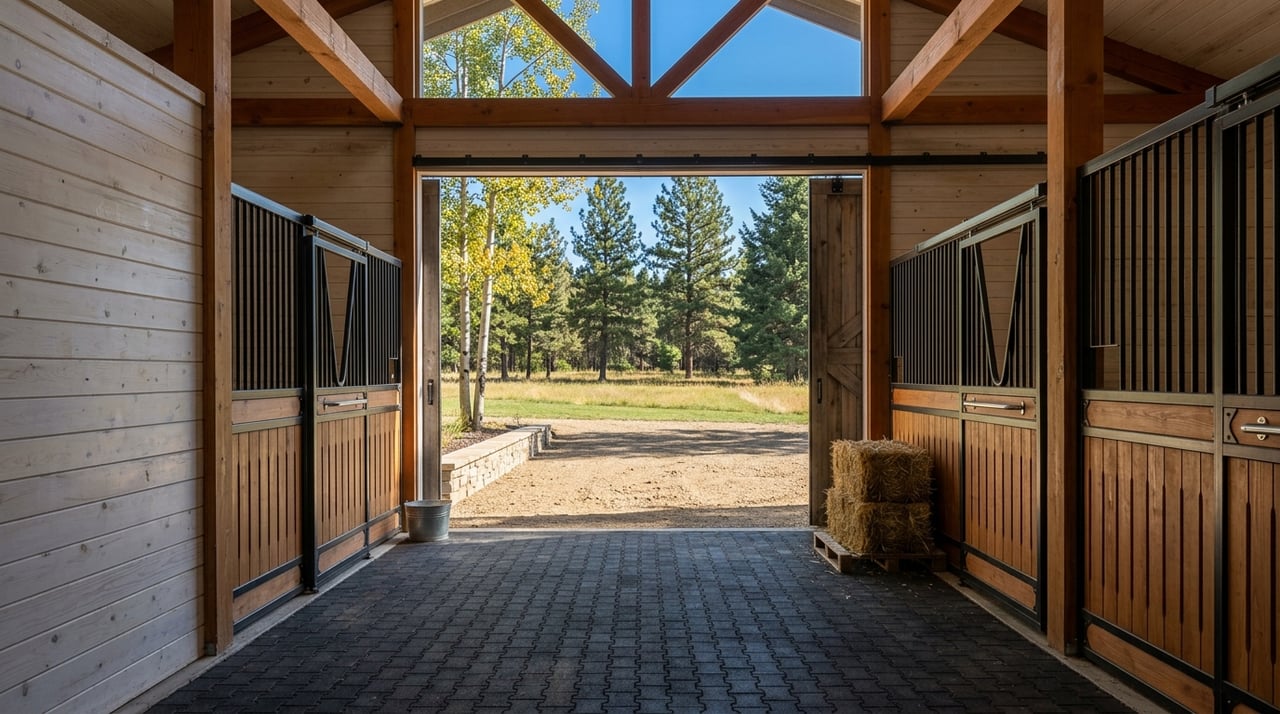
If you are searching for a horse-ready property, you will want to look beyond the house. Fencing, pasture layout, irrigation, barn or outbuilding utility, and the condition of the land can all play a meaningful role in how well a property supports your goals.
Acreage Often Shapes Value
A practical way to think about Old Snowmass is as an acreage market. County materials point to large-lot rural and agricultural patterns, along with some smaller-lot subdivisions and protected open space. That creates a very different search process than you might follow in Aspen or Snowmass Village.
Instead of focusing only on square footage or finishes, you may be comparing the function of 10-acre parcels, larger rural holdings, and land with a mix of meadow, pasture, creek corridor, or sloped terrain. In this part of Pitkin County, how the land works can be just as important as how the home looks.
Zoning Matters More Than Buyers Expect
Pitkin County’s rural zone districts are designed to preserve agricultural and ranch lands, open space, wildlife habitat, scenic quality, water resources, air quality, and historic resources. In that framework, zoning can strongly influence what you can do with a property.
For example, the county describes AR-10 as a district intended for small-scale agricultural activity and large-lot residential development on 10-acre parcels. RR, by contrast, is intended to maintain a low-density, backcountry character. The Old Snowmass zoning map includes a mix of districts such as AR-10, AR-2, RR, RS-20, RS-30, RS-160, and B-1, among others.
Always Verify Parcel Zoning
This is one of the most important steps in Old Snowmass due diligence. Pitkin County specifically notes that parcel zoning should be verified with Community Development because the zoning map is not a legal determination.
If you are considering horse use, agricultural use, future improvements, or a property with multiple structures, you should treat zoning verification as an early step, not an afterthought. It can clarify what the land is intended to support and help prevent surprises later in the process.
Water Shapes the Ownership Experience
Water is a major part of the Old Snowmass story. Creeks, river corridors, irrigated land, and riparian areas help define both the look and the utility of many properties in and around the area. They can also add complexity.
Pitkin County explains that wetlands and riparian areas are important for wildlife and water quality because they filter pollutants, store floodwater, and help maintain surface flow during dry periods. County code also addresses buffers, wetlands, riparian areas, meadows, and minimum stream setbacks.
Frontage Is Not the Same as Water Rights
This is a key distinction for buyers. The Snowmass-Capitol Creek master plan states that landowners should not assume that a stream next to a property automatically conveys use rights. In other words, creek or river frontage may enhance the setting, but it does not by itself guarantee diversion, irrigation, or other water-related rights.
If a property includes a creek, pond, ditch, or irrigated fields, one of your first questions should be whether any related rights transfer with the land. That is especially important if you are evaluating horse pasture, grazing use, or broader ranch functionality.
Riparian Protection Affects Land Use
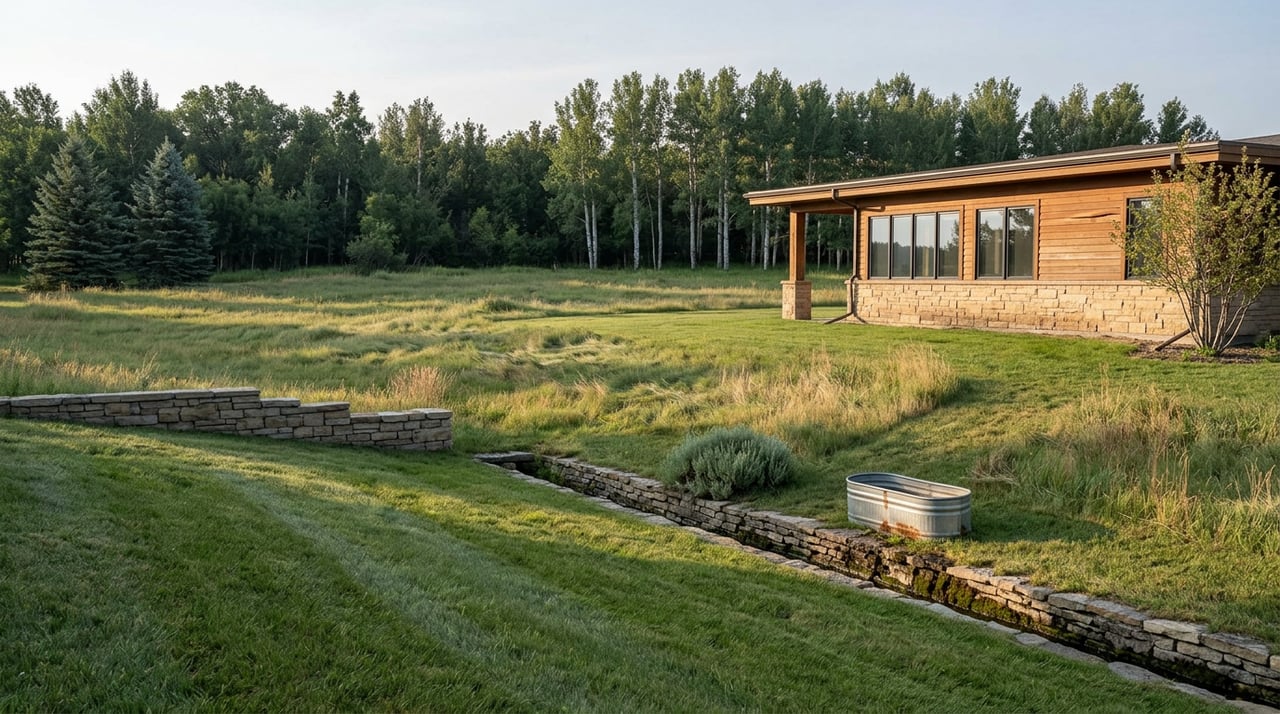
The county’s guidance also shows why streamside areas need careful review. Pitkin County emphasizes protecting riparian habitat and encourages practices such as fencing livestock away from waterways and using stock tanks rather than direct stream access.
For you as a buyer, that means the most attractive parts of a property may also come with important use limitations or management responsibilities. Beautiful water features can be a major asset, but they deserve close, property-specific review.
Equestrian Living Is Lifestyle and Logistics
Old Snowmass supports a horse-oriented lifestyle, but it helps to think about that lifestyle in practical terms. County open-space examples nearby include horse pasture at Deer Creek and barn space at Lazy Glen. The Rio Grande Trail also permits horseback riding.
That broader context reinforces what many buyers are already looking for here: usable acreage, room to ride, and a quieter valley setting that feels removed from resort density. But daily function still matters. Access to pasture, turnout, storage, and seasonal conditions should all be part of your evaluation.
Seasonal Access Is Part of the Picture
Pitkin County states that many open-space trails close in winter or spring to protect wildlife and prevent resource damage. Some areas near Old Snowmass may close seasonally or year-round.
That does not lessen the appeal of the area. It simply means your expectations should match the realities of the landscape. If trail access, horseback access, or nearby recreation is part of your decision, it is wise to confirm what is available in different seasons.
Rural Privacy Without Full Isolation
One reason Old Snowmass continues to appeal to both local and second-home buyers is that it offers a rural feel without placing you far outside the valley. Aspen Snowmass identifies the Capitol Creek trailhead as 14 miles west of Aspen on Highway 82 to Old Snowmass. Snowmass Village is also close by, with Snowmass Tourism noting it is 9 miles from Aspen.
RFTA lists an Old Snowmass Park & Ride with Local Valley service, and the Rio Grande Trail system links Aspen, Snowmass Village, Basalt, and Glenwood Springs through connected routes. In practical terms, that means Old Snowmass can offer more land and privacy while still keeping daily valley access within reach.
What Smart Buyers Check First
Because this is an acreage-and-lifestyle market, good due diligence starts with the land itself. The right questions can help you quickly understand whether a property fits your plans.
Here are a few of the most important items to review early:
- Verify the parcel’s actual zoning with Pitkin County Community Development
- Confirm whether the property is truly horse-ready or simply has open land
- Ask whether any creek, pond, ditch, or irrigation rights transfer with the property
- Review stream setbacks, wetlands, riparian protections, and other land-use constraints
- Check seasonal trail closures, access conditions, and nearby frontage availability by season
- Evaluate how pasture, fencing, water infrastructure, and usable terrain support your intended use
Why Old Snowmass Appeals to Luxury Buyers
For many buyers, Old Snowmass offers a compelling alternative to resort-centered ownership. You can find the privacy, land, and working-country feel that are hard to replicate closer to the core. At the same time, you remain connected to Aspen, Snowmass Village, and the broader Roaring Fork Valley.
That balance is a major reason the area continues to attract interest. It works for buyers who want a more grounded mountain lifestyle, more room for horses or agricultural use, and a property experience shaped by open space rather than density.
If you are considering a ranch, equestrian estate, or acreage property in Old Snowmass, local due diligence matters. The details that drive value here are often different from what you would prioritize in a village, golf, or ski-in/ski-out setting. For thoughtful guidance on land, lifestyle fit, and property evaluation in this market, connect with Bruce Johnson with Douglas Elliman Aspen-Snowmass.
FAQs
What makes Old Snowmass different from resort living near Aspen?
- Old Snowmass is defined by a more rural and agricultural setting, with open pastures, meadows, wildlife habitat, and larger-lot land patterns, while still remaining connected to the valley.
What should buyers verify about Old Snowmass zoning?
- Buyers should verify the parcel’s actual zoning with Pitkin County Community Development because the county zoning map is not a legal determination.
What does horse-ready property mean in Old Snowmass?
- In Old Snowmass, horse-ready property generally means more than scenic acreage. Buyers should review fencing, pasture management, irrigation, barn or outbuilding utility, and the amount of usable land.
Do creek or river frontage properties in Old Snowmass include water rights?
- Not necessarily. Pitkin County states that landowners should not assume a stream adjacent to a property automatically conveys use rights, so any ditch, creek, pond, or irrigation rights should be verified.
Are there seasonal trail closures near Old Snowmass?
- Yes. Pitkin County says many open-space trails close in winter or spring to protect wildlife and prevent resource damage, and some areas near Old Snowmass may have seasonal or year-round closures.
Is Old Snowmass isolated from the rest of the Roaring Fork Valley?
- No. Old Snowmass offers rural privacy, but it remains connected to Aspen, Snowmass Village, and the broader valley through Highway 82, the Old Snowmass Park & Ride, and the regional trail network.