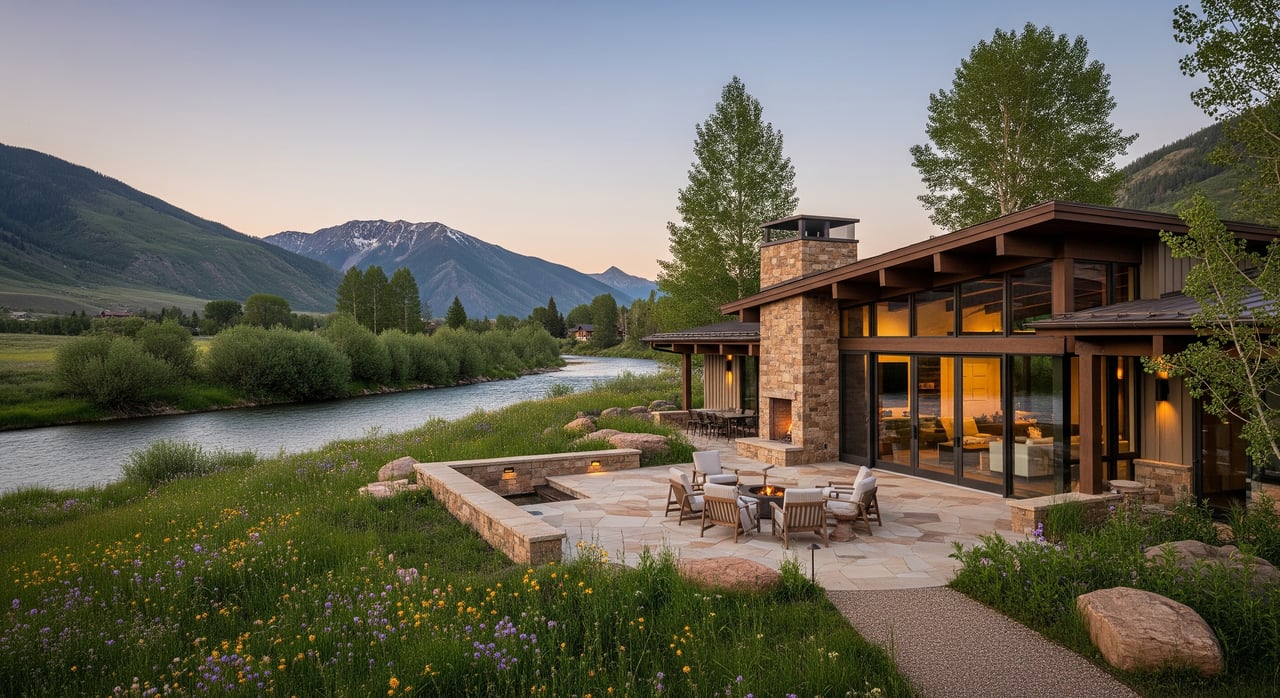
Heard locals talk about living “down‑valley,” but not sure what that really means for your day‑to‑day life? If you are Aspen‑curious and weighing Basalt for a full‑time home or second residence, you are not alone. Many buyers look for a calmer pace, better value, and easy access to Aspen’s lifts and culture. This guide breaks down geography, value, climate, commuting, recreation, and practical fit so you can decide with confidence. Let’s dive in.
What down‑valley means
Down‑valley describes communities downstream from Aspen along the Roaring Fork River. These towns sit at lower elevations, with milder weather and more everyday convenience. Basalt is a prime example — a hub between Aspen and Glenwood Springs.
Basalt location and elevation
Basalt lies along the valley corridor and straddles Pitkin and Eagle counties. It sits at about 6,600 feet, while Aspen is around 8,000 feet. The lower elevation often translates to a longer growing season and less deep snow in town compared with Aspen.
Typical travel times
Driving from Basalt to Aspen usually takes about 25 to 40 minutes, depending on route, weather, and traffic. Basalt to Snowmass Village is a bit longer. Basalt to Glenwood Springs is roughly 20 to 30 minutes. Peak seasons and weekends can extend these times.
Housing and value
Basalt has historically offered more attainable pricing than Aspen and Snowmass across single‑family homes, townhomes, and condos. You can generally expect more space and yards for your budget in Basalt. The gap narrowed from 2020 to 2024 as demand surged and inventory tightened across the valley, but the value story still resonates for many buyers.
Inventory in Basalt is diverse. You will find established neighborhoods, townhomes and condos, and some newer mixed‑use or planned communities. By contrast, Aspen’s inventory leans toward high‑end single‑family homes and luxury condos with a larger share of ultra‑luxury properties.
Practical takeaways for you: expect better entry points and practical living space in Basalt compared with Aspen. Competition can be strong due to spillover demand, so watch current MLS or brokerage snapshots for the latest trends.
Climate and seasons
Lower elevation means Basalt often sees milder temperatures and less frequent deep snow accumulation in town than Aspen. Spring tends to arrive earlier and fall lingers longer, which supports more biking, running, and river time at the town level. Winter weather can still affect the full valley, so plan for storm days and variable conditions.
Keep microclimates in mind. Conditions in Aspen or Snowmass will not always match Basalt. If you garden, plan year‑round outdoor use, or manage winter maintenance, those elevation differences matter.
Commute, transit, and traffic
Many people who work in Aspen or Snowmass live down‑valley in Basalt, Carbondale, or Glenwood Springs. Morning and evening peaks get busier during ski season and summer weekends.
The Roaring Fork Transportation Authority operates frequent valley‑wide bus service, including express BRT service called VelociRFTA. Basalt has park‑and‑ride options that make it realistic to commute without a car, especially on snow days. RFTA can save time and stress when parking is tight or conditions are challenging.
Plan for variability. A normal Basalt to Aspen drive can be 25 to 40 minutes, but storms and holiday periods add delays. Aspen has tighter downtown parking and tourist circulation, while Basalt offers easier daily parking and errands.
Trails, river, and recreation
Basalt sits on the Roaring Fork River, giving you local access to fishing, riverside parks, and walking paths. The valley’s multi‑use trail network, including the Rio Grande Trail corridor, connects or passes near Basalt, which supports bike commuting in fair weather and easy rides to neighboring towns.
If you ski, you are a straightforward drive or bus ride from the Aspen Snowmass lifts. It is not ski‑in, ski‑out, but it is close enough for frequent day trips. Downstream, Sunlight Mountain near Glenwood Springs provides another option. Daily life often includes biking, running, fishing, and hiking on nearby public lands.
Dining and daily needs
Basalt has a small, approachable dining scene with cafes, pubs, family spots, and a handful of higher‑end options. You will find grocery stores, pharmacies, banks, and service businesses for daily needs. For luxury shopping or specialty retail, Aspen is still the regional center.
Healthcare is valley‑wide. Basalt offers clinics and primary care options, while hospital and specialty services are concentrated in Glenwood Springs and at Aspen Valley Hospital. Schools are part of the Roaring Fork School District, with local elementary and high school options in or near town.
Civic life in Basalt is community‑focused. Expect local events and a quieter calendar compared with Aspen’s festival and marquee cultural lineup.
Who Basalt fits
Full‑time families
- Why it fits: more space for the budget, lower elevation, access to local schools, convenient groceries and services, and a year‑round community feel.
- Considerations: commuting to Aspen for work may shape your schedule, especially in peak seasons and winter weather.
Remote or hybrid professionals
- Why it fits: better value and more room, strong local recreation for daily life, reliable bus access for the occasional office day, and a milder climate.
- Considerations: verify internet and communications capacity for your address and plan for peak‑season commute times.
Second‑home buyers
- Why it fits: lower entry prices than Aspen, easy access to skiing and dining, and simpler parking and errands when you are in town.
- Considerations: review short‑term rental rules, HOA policies, and property management options before you buy.
Downsizers seeking quiet
- Why it fits: a calmer pace, compact amenities, and close proximity to Aspen’s cultural offerings when you want them.
When Aspen may fit better
- If you want immediate lift access, a front‑row luxury experience, and dense high‑end dining and shopping, Aspen or Snowmass Village will likely suit you despite higher costs.
Your due diligence checklist
- Test the commute at your typical hours in peak and off‑peak seasons.
- Review RFTA schedules and locate the nearest park‑and‑ride for storm days.
- Confirm school options and boundaries with the Roaring Fork School District.
- Understand short‑term rental rules in town and any HOA restrictions.
- Review floodplain considerations near the Roaring Fork River for specific properties.
- Check county assessor information in Pitkin or Eagle for tax and parcel details.
- Verify internet providers and speeds for remote work needs.
- Ask your agent for current MLS or brokerage market snapshots to gauge pricing and competition.
Basalt vs Aspen: quick tradeoffs
- Basalt advantages: more attainable pricing, more space, easier parking and errands, milder climate at town level, community‑oriented feel.
- Aspen advantages: immediate resort proximity, luxury retail and dining concentration, and a heavier event calendar.
- Shared benefit: access to world‑class skiing, dining, and culture within a manageable drive or bus ride.
- Primary tradeoff: commute time and seasonal traffic versus everyday convenience and value.
Choosing Basalt is about balance. You keep routine access to Aspen’s lifts and culture while gaining space, simplicity, and a calmer daily rhythm. If that mix fits your lifestyle or second‑home goals, Basalt deserves a close look.
Ready to explore specific neighborhoods and current listings with a local advisor who works the entire Roaring Fork Valley? Connect with Bruce Johnson with Douglas Elliman Aspen‑Snowmass for discreet guidance, pricing intel, and a smooth search from first tour to close.
FAQs
What does “down‑valley” mean in the Roaring Fork Valley?
- It describes towns downstream from Aspen at lower elevations, like Basalt, which generally have milder weather and more everyday convenience while staying close to Aspen.
How long is the commute from Basalt to Aspen?
- Typical drive times are about 25 to 40 minutes in normal conditions, with longer times during storms, holidays, and major events.
Is Basalt more affordable than Aspen and Snowmass?
- Historically yes across most property types, though strong demand since 2020 has narrowed the gap; buyers still often get more space and yard in Basalt.
What is public transit like from Basalt to Aspen?
- The Roaring Fork Transportation Authority runs frequent buses, including VelociRFTA express service, with park‑and‑rides that make commuting practical without a car.
What outdoor recreation is close to Basalt?
- You have river access for fishing and walks, multi‑use trails for biking, nearby hiking and mountain biking, and straightforward access to the Aspen Snowmass ski areas.
Where do Basalt residents go for healthcare and schools?
- Basalt has clinics and primary care; hospital and specialty care are in Glenwood Springs and Aspen, and schools are part of the Roaring Fork School District.
What should second‑home buyers know about rentals in Basalt?
- Review town short‑term rental rules and HOA policies, and consider property management options before purchasing.